Prallethrin
Cyclopropanecarboxylic acid, 2,2-dimethyl-3-(2-methyl-1-propenyl)-, 2-methyl-4-oxo-3-(2-propynyl)-2-cyclopenten-1-yl ester
EPA Substance Registry Services (SRS) listed active ingredient for pesticide products.
Safety around dogs & cats
Cats are the sensitive species for prallethrin, as for all pyrethroids, because of their glucuronidation deficiency (ASPCA, Pet Poison Helpline, VCA), so keep cats away from coils, vaporizers, and cartridges and never let one mouth the source. Dogs are far more tolerant (Merck Veterinary Manual). Keep pet birds out of enclosed treated spaces, and never apply to any animal.
Moderate confidence. Ratings from ASPCA Animal Poison Control, the Pet Poison Helpline, and published veterinary toxicology. This is general information, not veterinary advice. If your pet is exposed, call your vet or the ASPCA Animal Poison Control Center at (888) 426-4435.
The evidence
Prallethrin is a well-established household vaporizer, coil, and mat active with WHO specifications and an EPA human-health risk assessment supporting low mammalian toxicity. Efficacy data show it works but is comparatively slow-acting on its own (knockdown often 5 to 17 minutes in coils), markedly improved by a PBO synergist, and weaker than the fluorinated pyrethroids in head-to-head vapor assays.
- Phenotypic profile of Aedes albopictus exposed to pyrethroid-based mat vaporizers and underlying detoxification mechanisms in Selangor, Malaysia2022LabWell-supported evidence
Mat-vaporizer knockdown assays of prallethrin against field Aedes albopictus.
- Bioefficacy Evaluation of Commercial Mosquito Coils Containing Metofluthrin, d-Allethrin, d-Trans Allethrin, and Prallethrin Against Aedes albopictus in Malaysia2018LabWell-supported evidence
Glass-chamber coil bioassays of prallethrin and other actives against field Aedes albopictus.
- Vapor toxicity of five volatile pyrethroids against Aedes aegypti, Aedes albopictus, Culex quinquefasciatus, and Anopheles quadrimaculatus2018LabLimited evidence
Laboratory vapor-toxicity ranking of five volatile pyrethroids against four mosquito species.
- Prallethrin: Human Health Risk Assessment (EPA registration review)2014Review
EPA human-health risk assessment for prallethrin as a registered household insecticide.
- WHO Specifications and Evaluations for Public Health Pesticides: Prallethrin2004Review
WHO specification and evaluation of prallethrin for public-health use.
Products using it
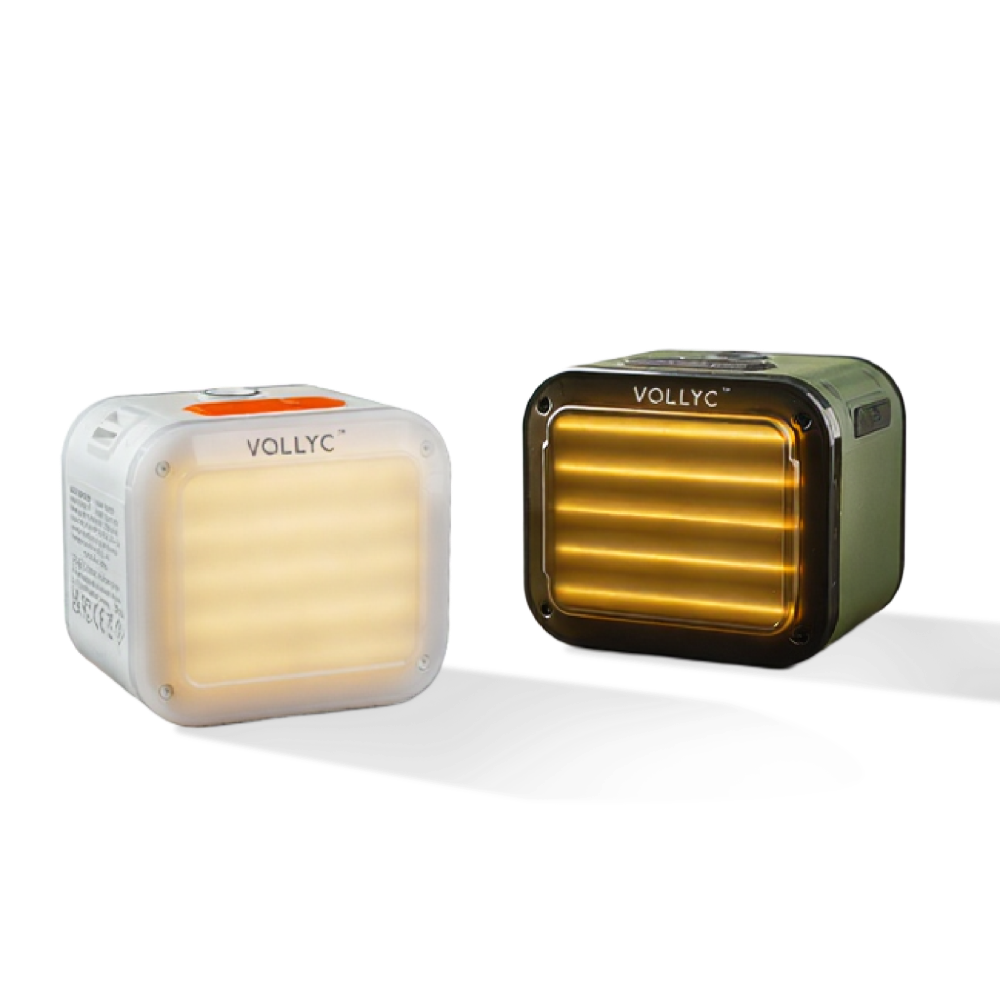
Flextail
FLEXTAIL Villa Repeller
Prallethrin 0.8%
Coverage & effectiveness

Flextail
FLEXTAIL EVO Repeller
Prallethrin · Meperfluthrin
Coverage & effectiveness

Flextail
FLEXTAIL Tiny Repeller S
Prallethrin · Meperfluthrin
Coverage & effectiveness
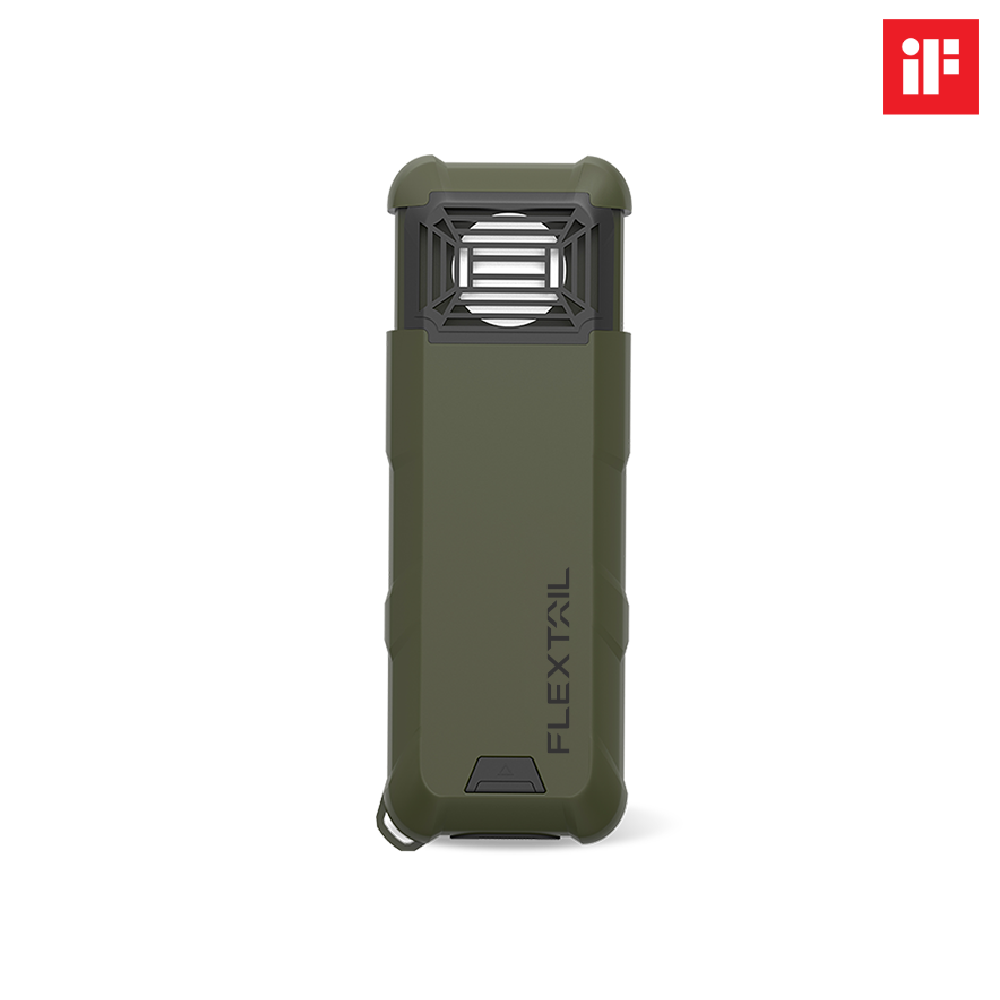
Flextail
FLEXTAIL Max Repeller S
Prallethrin · Meperfluthrin
Coverage & effectiveness

Flextail
FLEXTAIL Tiny Repel
Prallethrin · Meperfluthrin
Coverage & effectiveness
Regulatory notes
Source: EPA SRS active ingredient list export. Minimum risk (25(b)) status is applied separately when applicable.