Yard & patio
Mosquito-proofing your yardHow to actually keep mosquitoes off your patio and yard
An evidence-based plan: protect the space you sit in, kill the larvae in the standing water nearby, add a trap only if you will commit to it, and skip the things that do not work.
Updated July 24, 2026 · Reviewed against our scoring methodology
You do not have to fog your whole yard or string up gadgets. Backyard mosquito control comes down to a short list of moves, in order of how well they hold up in the research: create a protected zone where you actually sit, stop mosquitoes from breeding in the standing water nearby, and keep a repellent on your skin for anything that gets through. A yard trap can help on top of that, but only the right kind, and only if you deploy it properly. Everything else is optional, and some of it is a waste of money.
The moves that work, in order
1. Protect the zone you sit in
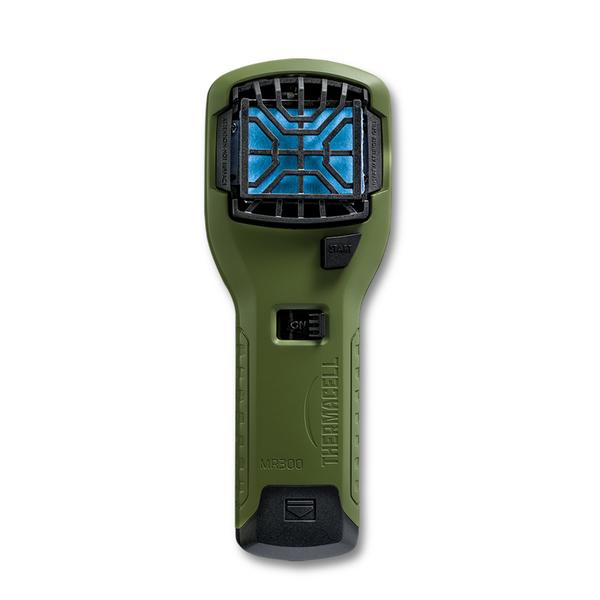
A Thermacell-type spatial device warms a pyrethroid pad (metofluthrin or allethrin) to create a repellent bubble, roughly a 15 to 20 foot zone in still air. A randomized field trial of metofluthrin emanators cut mosquito landings by about 90 percent, which makes this the single best patio tool as long as the air is calm. It fades in wind.
2. Kill the larvae in the standing water
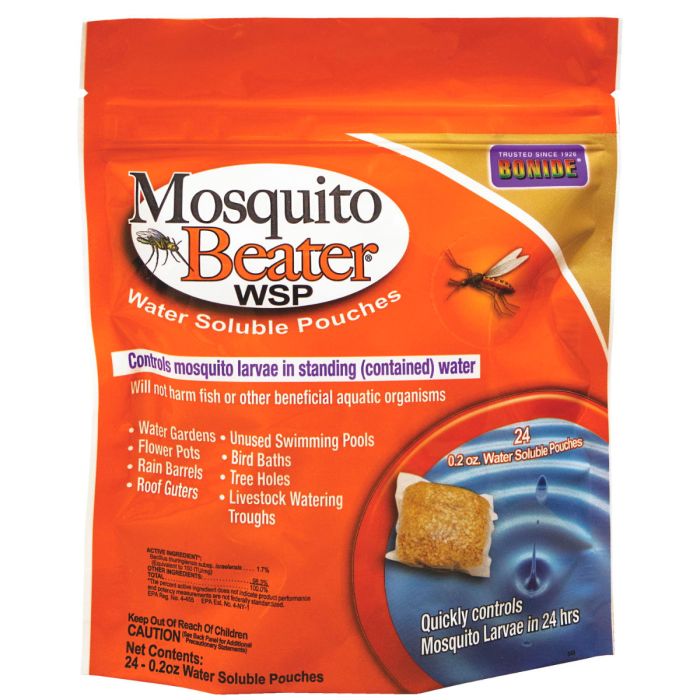
Drop a Bti dunk in anything that holds water for more than a few days: birdbaths, clogged gutters, plant saucers, rain barrels. Bti kills mosquito larvae before they can fly, is safe for fish, pets, and bees, and one dunk lasts about a month. Field programs built on Bti have cut local larval and adult mosquito numbers by well over 90 percent. This is the cheapest, most underused move.
3. Repellent on skin for the gaps
For the bites that get past the zone, an EPA-registered repellent (DEET, picaridin, IR3535, or oil of lemon eucalyptus) on exposed skin is the reliable backstop.
A simple extra: move some air
Mosquitoes are weak fliers. An ordinary oscillating fan on the patio measurably cuts landings and costs nothing to run. It stacks well with a spatial device.
For the zone: spatial devices
The best-scoring patio emanators. Best in still air.

Thermacell
Thermacell EX90 Rechargeable Mosquito Repeller
Metofluthrin 5.5%
Coverage & effectiveness

Thermacell
Thermacell E55 Rechargeable Mosquito Repeller
Metofluthrin 5.5%
Coverage & effectiveness
Thermacell
Thermacell Patio Shield MR300 Mosquito Repeller
Allethrin 21.97%
Coverage & effectiveness
For standing water: Bti larvicides
Source control that is safe for wildlife and lasts weeks.
Bonide
Bonide Mosquito Beater Water Soluble Pouches
Bti (Bacillus thuringiensis israelensis) 1.7%
Larval control

Summit
Summit Mosquito Dunks
Bti (Bacillus thuringiensis israelensis)
Larval control

Central Life Sciences
Altosid Pro-G Mosquito Larvicide Granules
S-methoprene 1.5%
Larval control
What about mosquito traps?
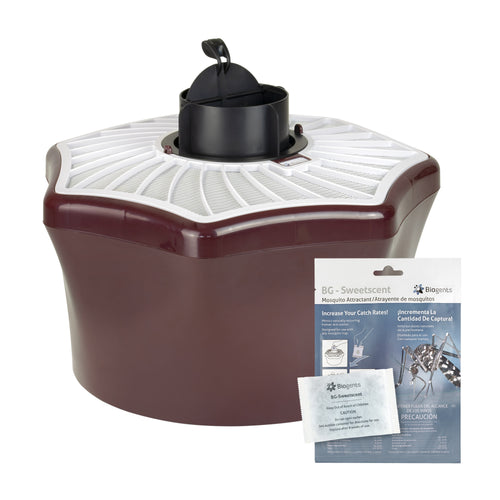
Traps split into two camps, and the difference is everything. CO2 and lure traps like the Biogents BG-Mosquitaire pull in host-seeking mosquitoes with carbon dioxide, heat, and a skin-scent lure, and there is real published evidence they thin a local population. The honest catch is that a single unit in one backyard does only a little. The strong results, cutting biting by half or more, come from deploying several traps around a property, well placed and run all season, the way the field programs that validate them do. Treat a lure trap as a season-long commitment that supplements the plan above, not a one-box fix.
The other camp is the UV light and fan traps (DynaTrap, Katchy) and the attractant tubes (Spartan Mosquito). Independent testing is clear that these do not reduce mosquito biting: their catch is overwhelmingly moths, midges, and other non-biting insects, and controlled studies find no difference in yard mosquito numbers with or without them. We still list and score them so you can find the honest verdict, but they are gated out of our recommendations for that reason.
Traps worth considering, if you commit
Lure traps with real evidence, scored on proper deployment.

What to skip
Foggers (aerosol cans and propane foggers) knock down the mosquitoes that happen to be there, then wear off within minutes to a day or two, and they kill bees and other beneficial insects on the way. They are a situational event tool at best, not a plan. UV light traps, zappers, ultrasonic devices, and repellent bracelets do not reduce bites. If it keeps coming back, the answer is almost always more standing water to treat, not a stronger gadget.
Skip yard foggers as a routine. They are non-selective, short-lived, and harm pollinators. Save them, if ever, for clearing an area right before an event.
Common questions
- What is the best way to keep mosquitoes off a patio?
- A Thermacell-type spatial device creates a protected zone of roughly 15 to 20 feet in still air and is the single most effective patio tool. Pair it with an oscillating fan, and treat any nearby standing water with a Bti dunk to cut the population at the source.
- Do I need to spray or fog my whole yard?
- Usually not. Foggers clear the mosquitoes present for a short time then wear off, and they harm bees and beneficial insects. Treating standing water with Bti and protecting the spot where you sit is more effective and far less harmful.
- Do mosquito traps work for a backyard?
- It depends on the trap. CO2 and lure traps like the Biogents can genuinely thin a local mosquito population, but a single unit does little; the real results come from running several around a property all season. UV light and fan traps (DynaTrap, Katchy) and attractant tubes (Spartan Mosquito) have no credible evidence they reduce mosquito biting, so they are not worth buying for that.
- How do I stop mosquitoes from breeding in my yard?
- Empty or treat anything that holds water for more than a few days. For water you cannot drain (birdbaths, rain barrels, low spots, clogged gutters), a Bti dunk kills the larvae and is safe for fish, pets, and pollinators.