DEET
N,N-Diethyl-meta-toluamide
Does DEET work?
Yes. DEET is the most-studied insect repellent ever made, with six decades of evidence behind it. It confuses the receptors mosquitoes use to find you, and at 25% it delivers roughly 4–5 hours of complete protection. Its real drawbacks are feel, odor, and its appetite for plastics. Safety is not one of them; it is well established at normal use.
When to choose it: Disease-risk travel, dusk in peak season, and anywhere bites are non-negotiable. For most users, 20–30% is the sweet spot.
The most widely used synthetic active ingredient in insect repellents. Effective against mosquitoes, ticks, and many biting flies.
How it works
Interferes with insect olfactory receptors, masking cues that attract mosquitoes to human skin and breath.
Safety around dogs & cats
Do not apply DEET to dogs or cats. It is not a pet product, and if a pet licks it off treated skin or is sprayed directly it can cause drooling, vomiting, unsteadiness, tremors, and, at higher doses, seizures (ASPCA/Pet Poison Helpline). Used normally on a person, letting it dry and keeping pets from licking your skin keeps the real-world risk low.
High confidence. Ratings from ASPCA Animal Poison Control, the Pet Poison Helpline, and published veterinary toxicology. This is general information, not veterinary advice. If your pet is exposed, call your vet or the ASPCA Animal Poison Control Center at (888) 426-4435.
Mosquito protection by concentration: DEET
Complete protection time (dark = lower bound, light = upper bound) on the same 12 h scale used across the site. Modeled from published dose-response data in our research library.
The evidence
Decades of field and laboratory studies support efficacy; concentration correlates with duration of protection.
- Associative learning switches DEET valence from aversive to appetitive in Aedes aegypti2026LabLimited evidence
A behavior study showing that Aedes aegypti mosquitoes can learn to stop avoiding DEET, and even treat it as attractive, after its smell is repeatedly paired with a reward. It is a mechanism study, not a field test, but it hints at how DEET might fail if used carelessly.
- Efficacy of unregulated minimum risk tick repellent products evaluated with Ixodes scapularis nymphs in a human skin bioassay2024LabWell-supported evidence
This study filled the exact gap the CDC review flagged: it measured, on human skin, how well eleven unregulated botanical tick repellents keep blacklegged-tick nymphs off, against DEET, across 6.5 hours.
- Topical repellents for malaria prevention (Cochrane systematic review)2023Meta AnalysisDefinitive evidence
A Cochrane team pooled the trial evidence on whether skin-applied repellents actually cut malaria, not just bites. The question matters because bed nets and indoor spraying miss the outdoor, early-evening biting that a repellent could cover. They gathered eight randomized trials with more than 60,000 people, mostly in lower-transmission parts of Southeast Asia and South America.
- Repellent efficacy of DEET, Icaridin, and EBAAP against Ixodes ricinus and Ixodes scapularis nymphs (Acari, Ixodidae)2015LabWell-supported evidence
A human-skin study testing whether two lower-strength alternatives, 10% picaridin (icaridin) and 10% IR3535 (EBAAP), can match 20% DEET at repelling the two most important Ixodes tick species. Picaridin came out on top.
- Formulations of Deet, Picaridin, and IR3535 Applied to Skin Repel Nymphs of the Lone Star Tick (Acari: Ixodidae) for 12 Hours2010RctWell-supported evidence
A skin-band study of how well five repellent formulations stop lone star tick nymphs from crossing treated skin, retested every two hours out to 12 hours. Any product with at least 20% active held up all day; a 10% IR3535 lotion did not.
- Comparative efficacy of insect repellents against mosquito bites (complete-protection-time study)2002LabDefinitive evidence
The landmark complete-protection-time study: Fradin and Day timed how long 16 store-bought repellents kept Aedes aegypti from biting, in controlled arm-in-cage tests with 15 volunteers. It is the study that put hard numbers on the idea that DEET lasts and botanicals do not.
- Fenvalerate/N,N-diethyl-m-toluamide (DEET) toxicosis in two cats1990Other
A case report of two cats poisoned after a flea-and-tick product containing both fenvalerate (a pyrethroid) and DEET was applied to their skin.
Products using it
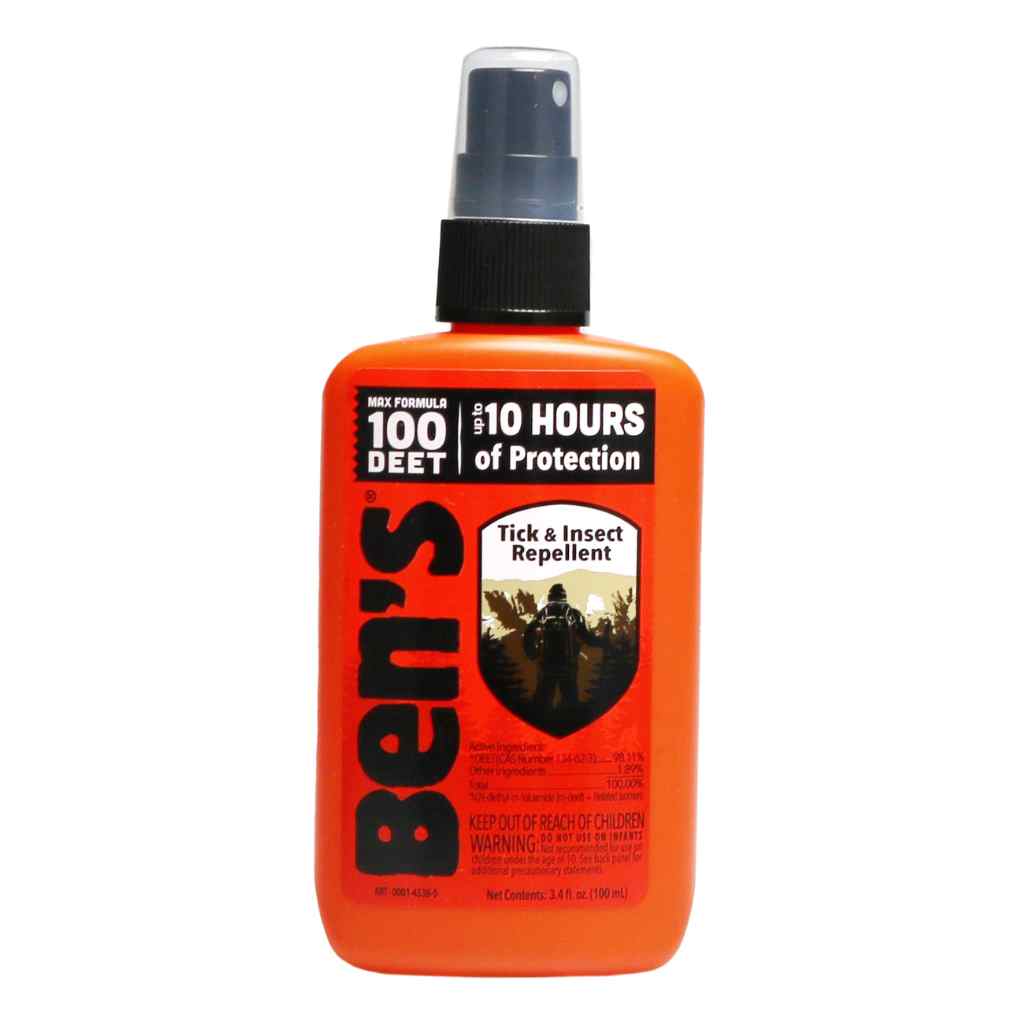
Ben's
Ben's 100 Tick and Insect Repellent Pump Spray
DEET 100%
Complete protection

Ben's
Ben's 30 Tick & Insect Repellent Eco-Spray
DEET 30%
Complete protection

OFF!
OFF! Deep Woods Insect Repellent VIII
DEET 25%
Complete protection
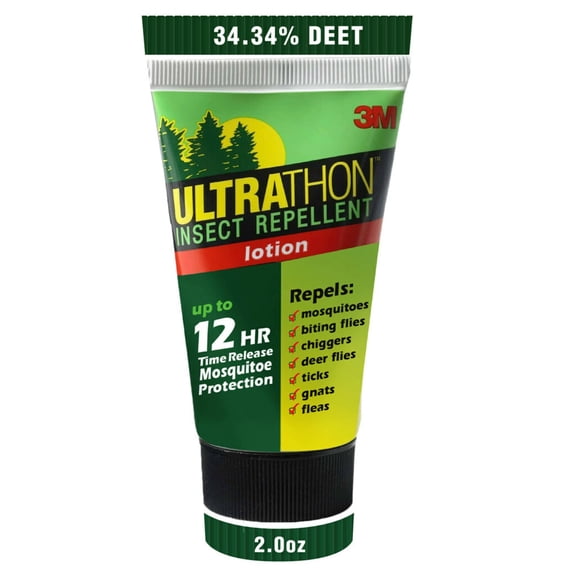
3M
3M Ultrathon Insect Repellent
DEET 34.34%
Complete protection

Sawyer
Jungle Juice 100 Pump Spray Insect Repellent
DEET 98.11%
Complete protection

Sawyer
Sawyer MAXI DEET Insect Repellent
DEET 98.11%
Complete protection
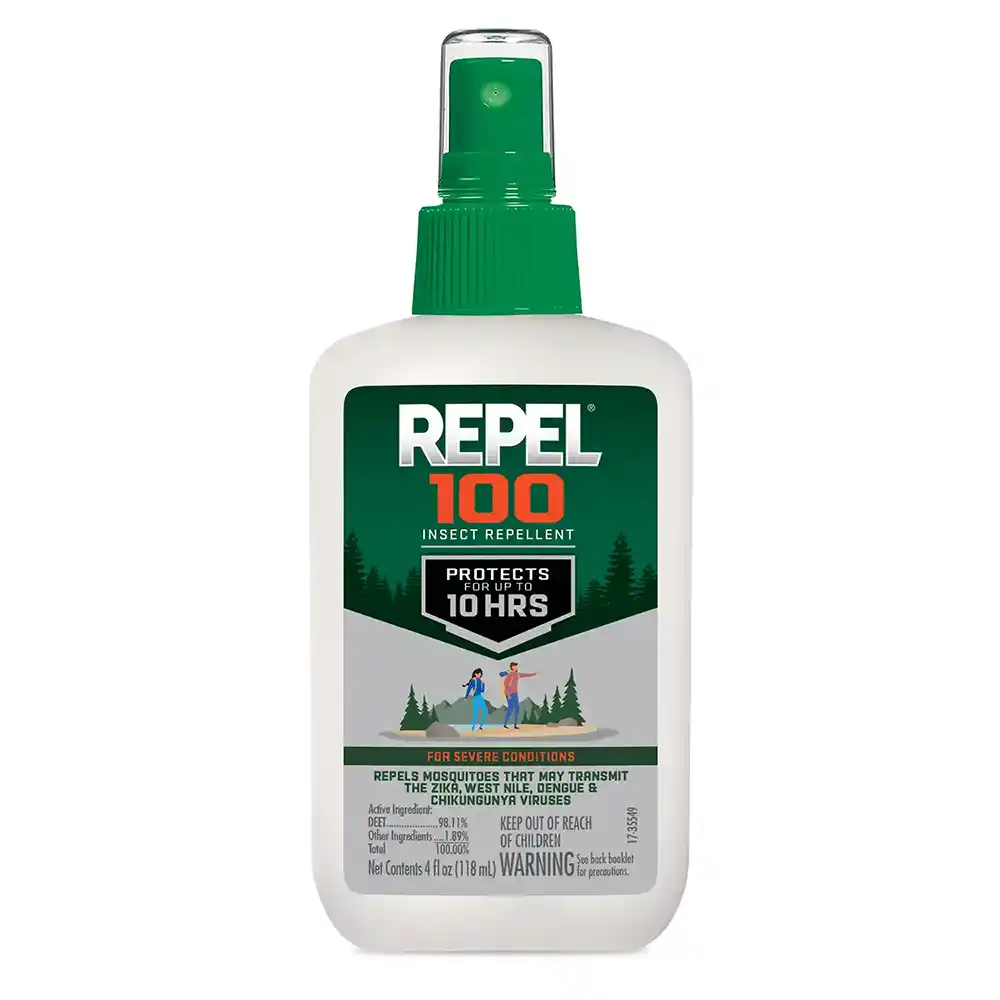
Repel
Repel 100 Insect Repellent
DEET 98.11%
Complete protection

OFF!
OFF! Deep Woods Sportsmen Insect Repellent I
DEET 98.25%
Complete protection
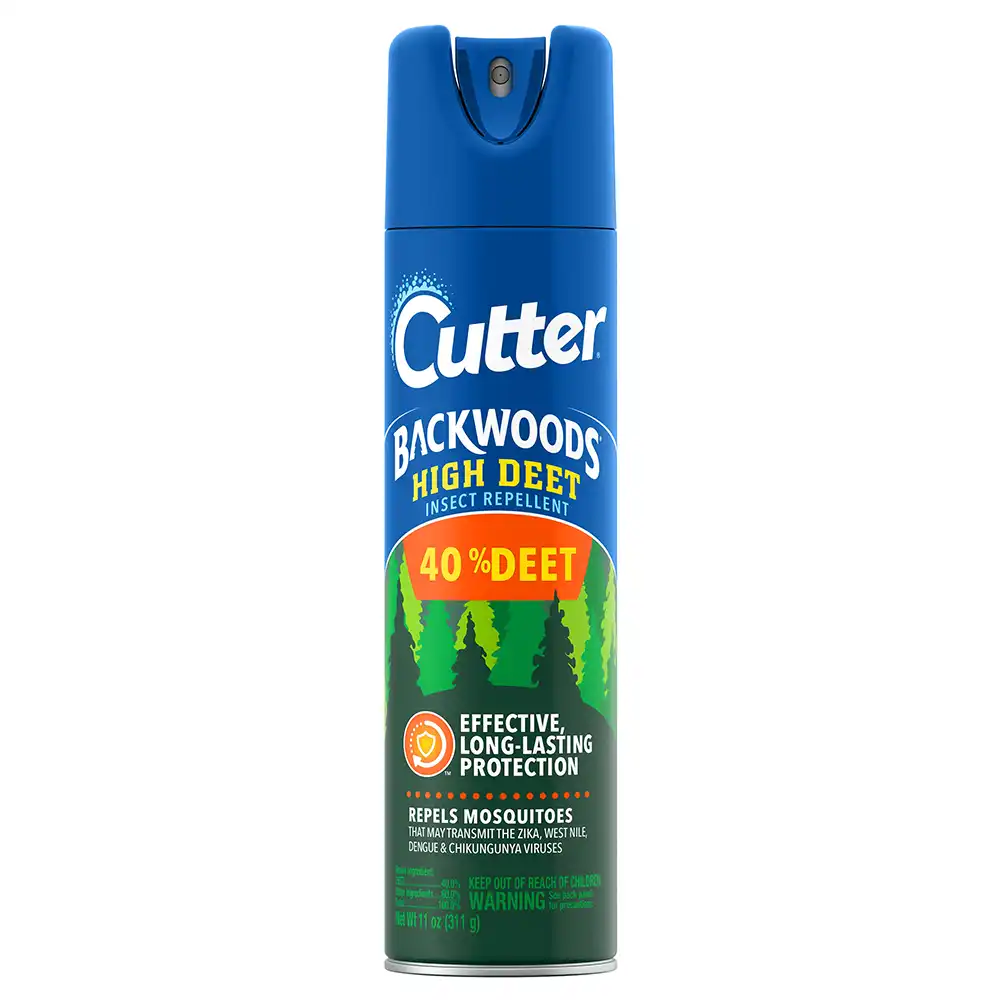
Cutter
Cutter Backwoods High DEET Insect Repellent
DEET 40%
Complete protection

Ben's
Ben's 30 Tick & Insect Repellent Wipes
DEET 30%
Complete protection
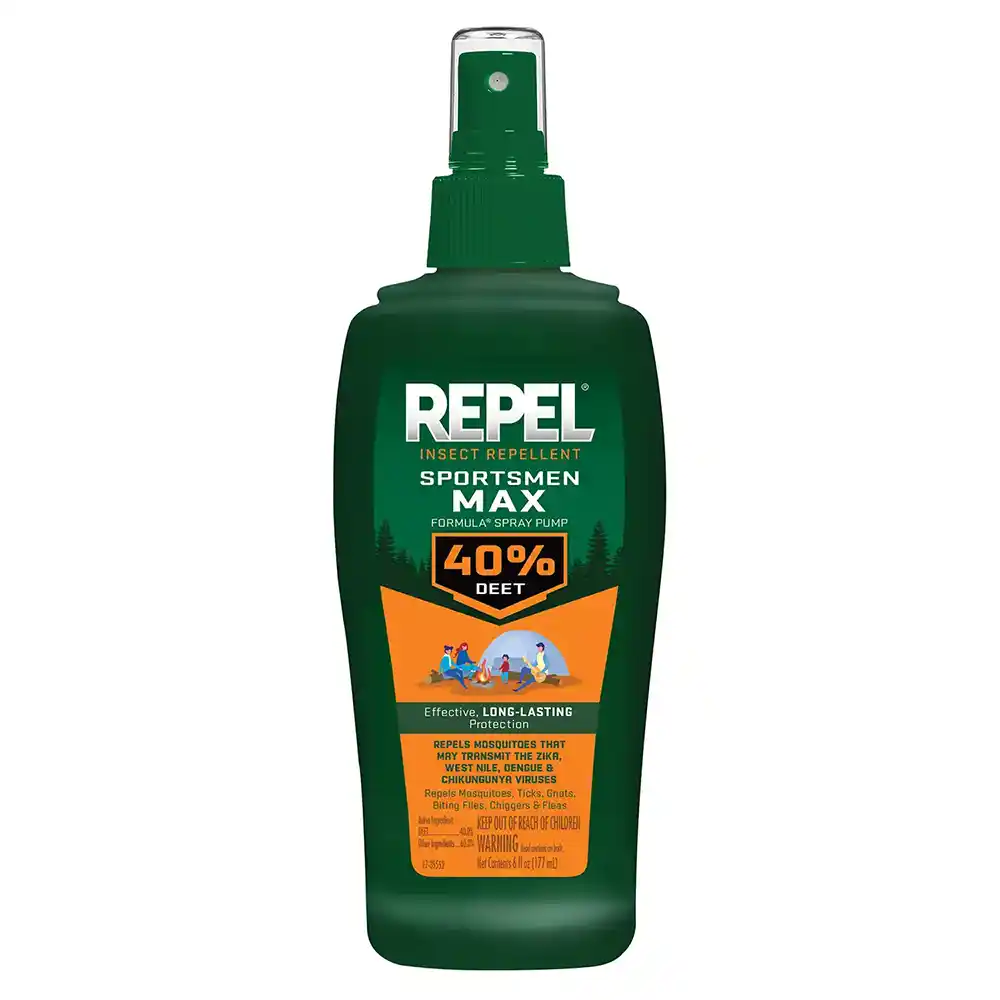
Repel
Insect Repellent Sportsmen Max Formula 40% DEET
DEET 40%
Complete protection
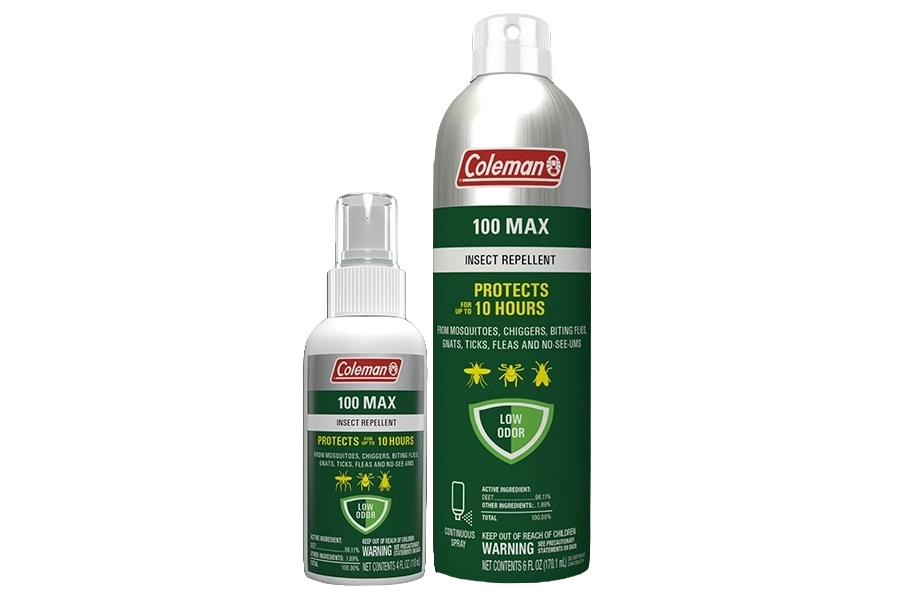
Coleman
Coleman 100 MAX Insect Repellent 98% DEET
DEET 98.11%
Complete protection

Coleman
Coleman DEET Insect Repellent 50% DEET
DEET 50%
Complete protection

3M
3M Ultrathon Insect Repellent 8
DEET 25%
Complete protection
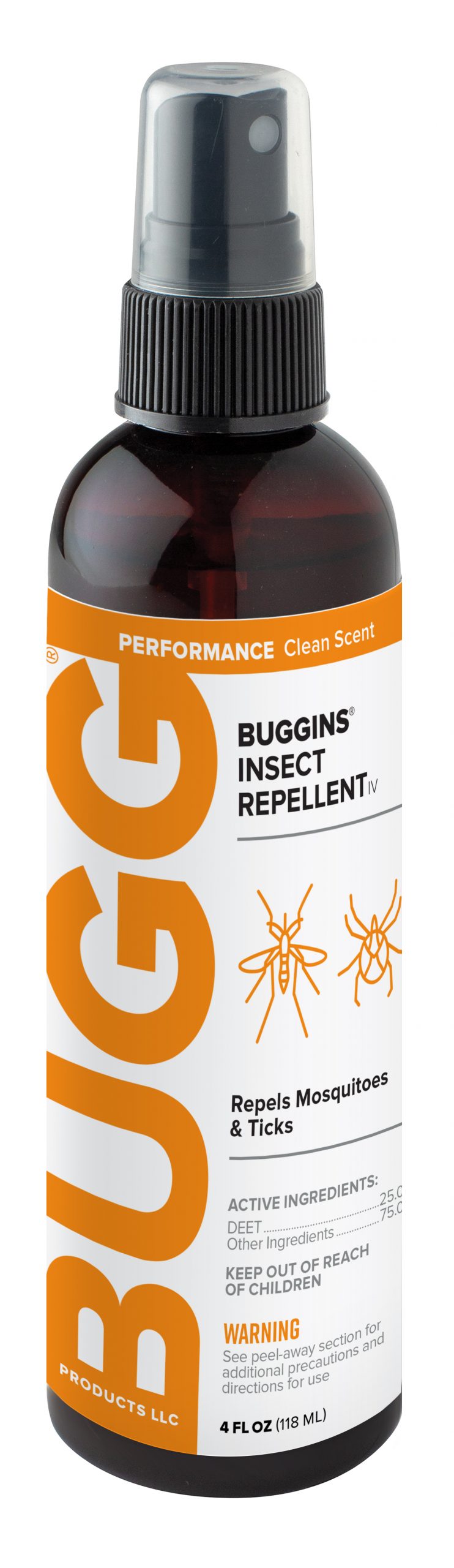
BUGGINS
BUGGINS Insect Repellent IV Performance
DEET 25%
Complete protection

Coleman
Coleman DEET Insect Repellent 25% DEET
DEET 25%
Complete protection

Sawyer
Family Controlled Release Insect Repellent
DEET 20%
Complete protection
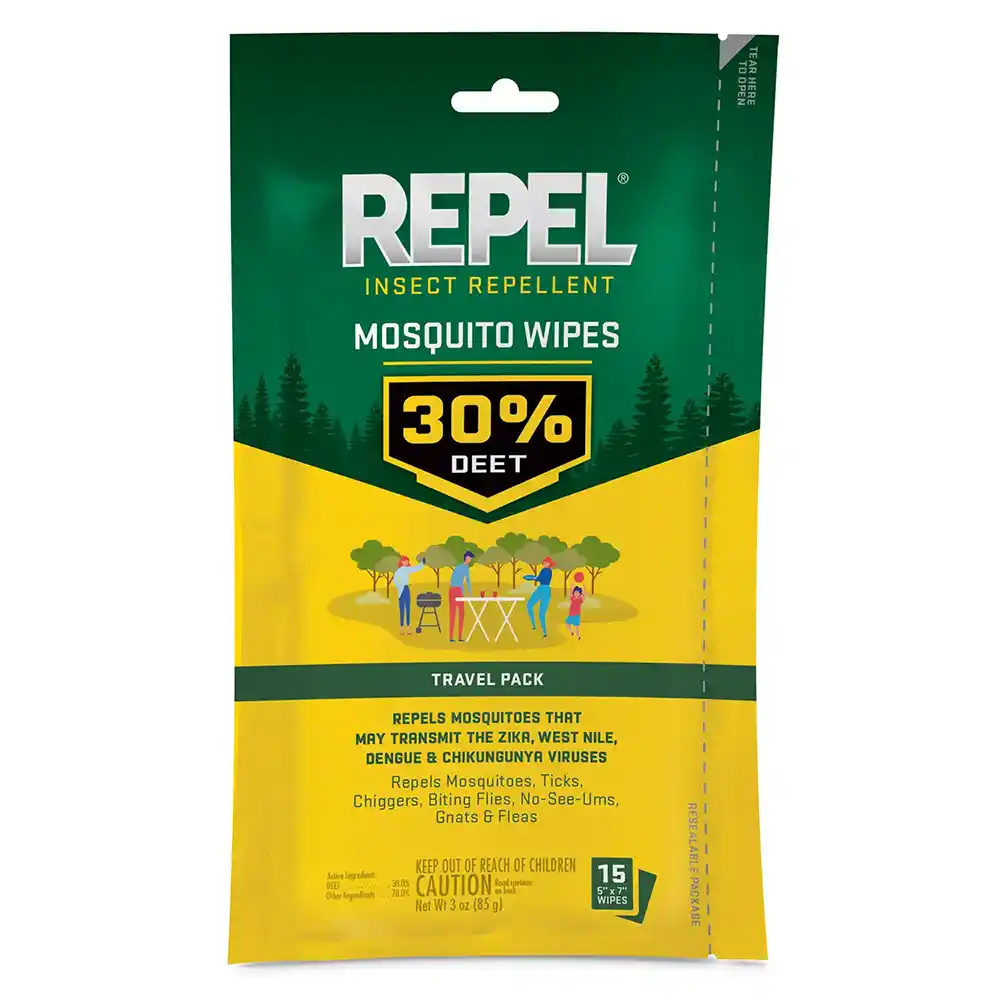
Repel
Repel Insect Repellent Mosquito Wipes 30% DEET
DEET 30%
Complete protection
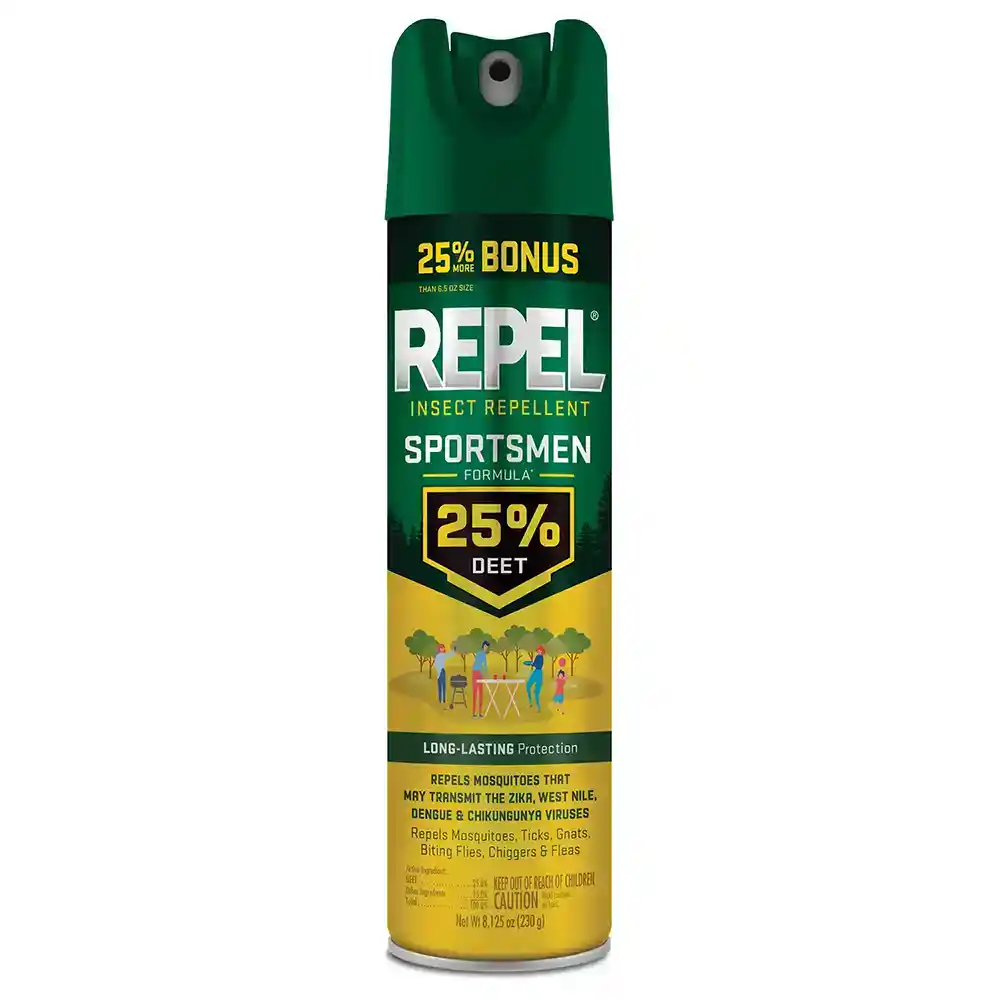
Repel
Insect Repellent Sportsmen Formula 25% DEET
DEET 25%
Complete protection
3M
3M Ultrathon Insect Repellent Pump
DEET 19%
Complete protection

OFF!
OFF! FamilyCare Insect Repellent I
DEET 15%
Complete protection

OFF!
OFF! Deep Woods Insect Repellent Towelettes
DEET 25%
Complete protection
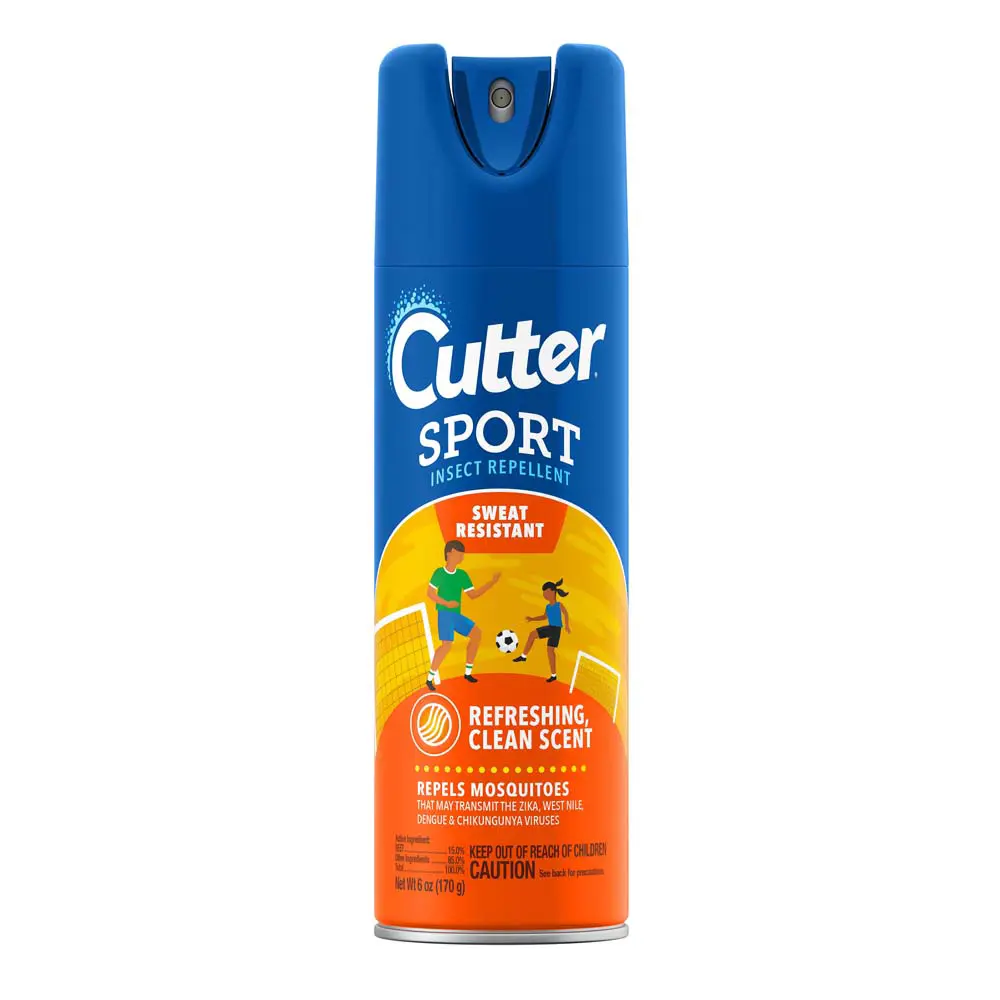
Cutter
Cutter Sport Insect Repellent
DEET 15%
Complete protection
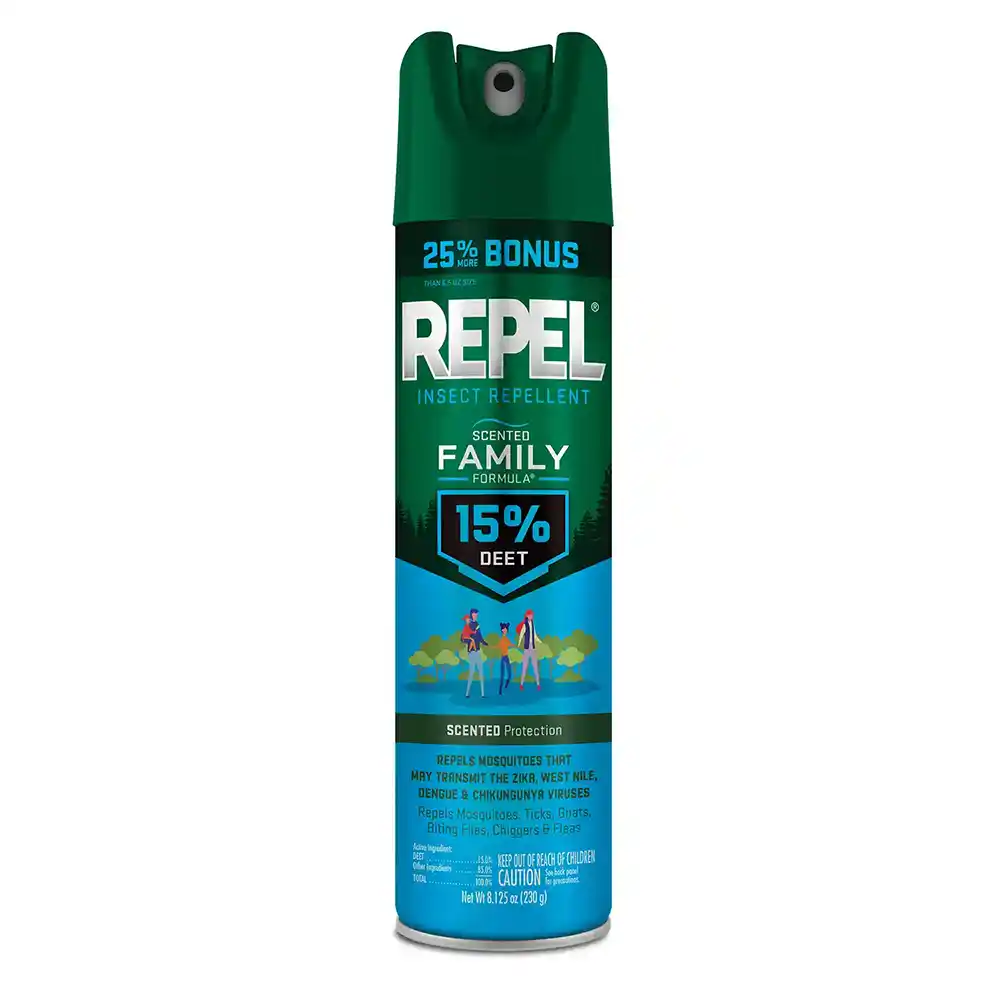
Repel
Insect Repellent Scented Family Formula 15% DEET
DEET 15.0%
Complete protection
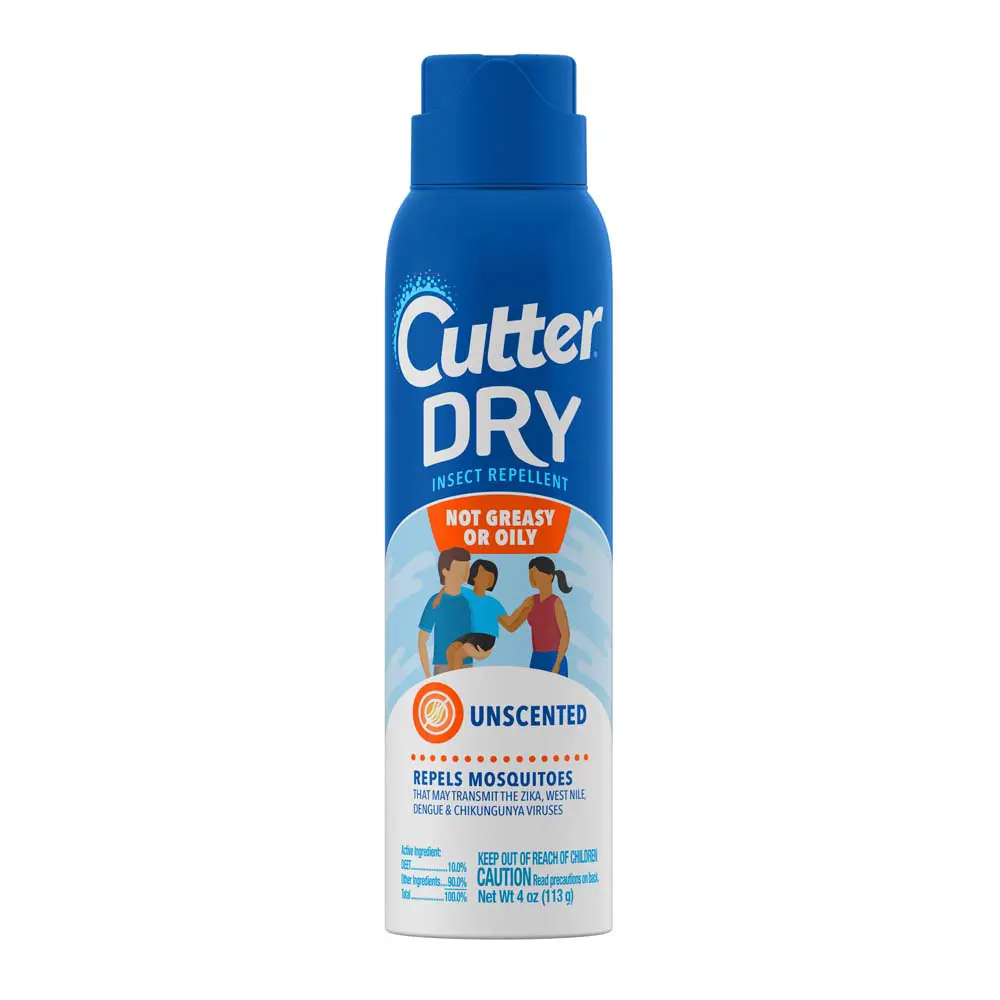
Cutter
Cutter Unscented Dry Insect Repellent
DEET 10%
Complete protection
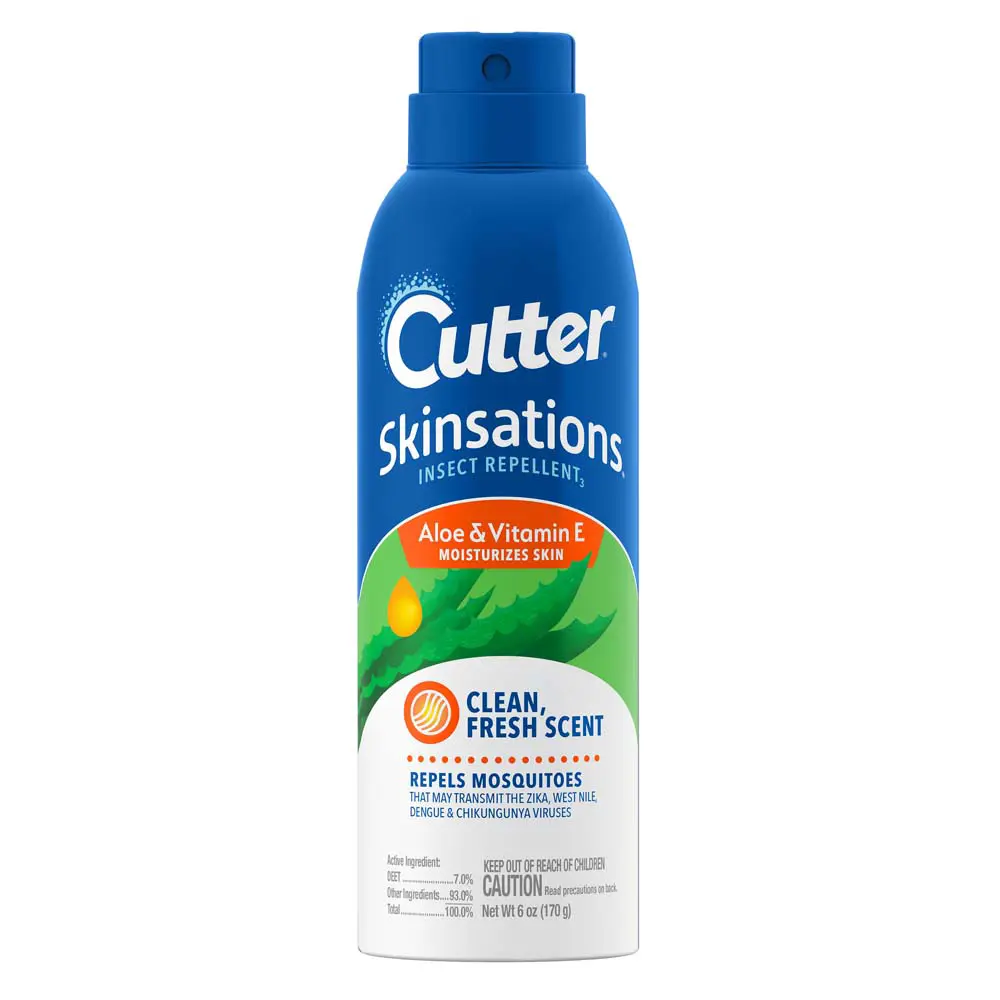
Cutter
Cutter Skinsations Insect Repellent
DEET 7%
Complete protection
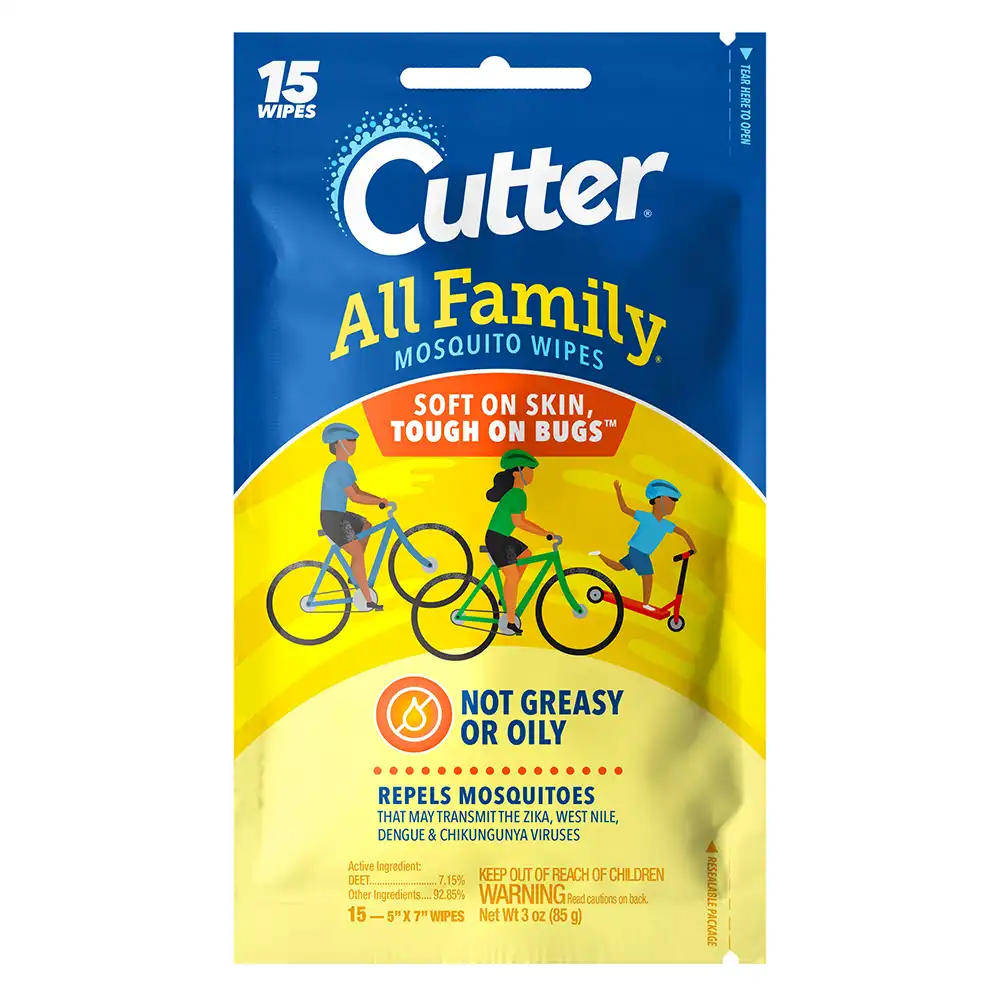
Cutter
Cutter All Family Mosquito Wipes
DEET 7.15%
Complete protection
Common misconceptions
Myth: “Higher-percentage DEET repels more strongly.”
Reality: Concentration changes how long protection lasts, not how hard it repels. 98% DEET is not 'stronger' than 30%; it just keeps working for a couple more hours.
Myth: “DEET is dangerous.”
Reality: Decades of surveillance and EPA re-review have found DEET safe when used as directed, including for children over 2 months. Adverse events are rare and overwhelmingly tied to gross misuse.
Myth: “DEET kills mosquitoes.”
Reality: DEET doesn't kill anything. It scrambles the olfactory cues mosquitoes use to land on you. They're still there; they just can't commit to biting.
Regulatory notes
EPA SRS-registered active. Not a FIFRA 25(b) minimum risk active. Concentration limits vary by product type.
Safety notes
Generally safe when used as directed. Avoid over-application on children; wash off after returning indoors.
Frequently asked questions
How long does DEET last?
Roughly 1–2 hours at 7%, 3–4 hours at 15%, 4–5 hours at 25%, and 6–8 hours at the highest concentrations. Those figures come from complete-protection-time studies, with partial protection extending beyond those windows.
Is DEET safe for kids?
The American Academy of Pediatrics considers up to 30% DEET appropriate for children older than 2 months, applied by an adult and washed off afterward.
Why does DEET melt plastic?
DEET is a strong solvent for certain synthetics: watch faces, sunglasses, and some technical fabrics can cloud or soften on contact. Picaridin offers similar protection without that problem.