Buyer's guide
The best bug sprays, ranked by the evidence
The active ingredient and its percentage decide how long a bug spray keeps mosquitoes and ticks off. The brand on the front mostly doesn't. Here are the actives worth buying, how long each one lasts, and the highest-scoring products that use them.
By Shannon Kolarik, Founder, Notch Wellness · Updated November 19, 2026 · Reviewed against our scoring methodology
We make Notch, so we're not a neutral third party. Rankings come from our published methodology, applied by code to every product the same way.
The bottom line
For most people the best bug spray is a 20% picaridin: 8–10 hours against mosquitoes, strong tick cover, no smell, and no damage to plastics or gear. DEET is the right call when you want the active with the longest track record, and oil of lemon eucalyptus at 30% is the plant-derived option that lasts for hours rather than minutes. Whichever you pick, read the active-ingredient line before the brand name. Two bottles from the same brand can be hours apart on protection.
The three actives worth buying
Picaridin 20%
The longest protection you can get from a consumer repellent, longer than DEET manages at any strength in the data we use. It's odorless, dries clean, and won't cloud sunglasses or eat a watch strap. Most of the products at the top of our rankings use it.
- Mosquitoes
- 8–10 h
- Ticks
- 7–8 h
EPA status: EPA-registered active
DEET 25%
Sixty years of use, and the most-studied repellent there is. It works, and the safety record at normal use is settled. The trade-offs are feel, smell, and what it does to plastics. A higher percentage lasts longer; it doesn't repel harder.
- Mosquitoes
- 5–6 h
- Ticks
- 3–4 h
EPA status: EPA-registered active
Oil of Lemon Eucalyptus (PMD) 30%
The only plant-derived active that holds off mosquitoes for hours. It is weaker against ticks than the synthetics, it has a strong scent, and it isn't for children under 3. If you want a botanical for a long evening, this is the one.
- Mosquitoes
- 4–6 h
- Ticks
- 0.5–2 h
EPA status: EPA-registered active
All three are EPA-registered, which means the maker had to show the agency efficacy data for the product. That registration is what separates them from most essential-oil sprays, which are sold under an exemption that asks for no efficacy data at all.
How long each one lasts
Complete mosquito protection, by active ingredient
Hours until the first bite gets through, at typical consumer concentrations. Dark = lower bound, light = upper bound.
Modeled from complete-protection-time studies in our research library. Botanical bands reflect 10% lab-tested concentrations. Most consumer botanical products use less and protect for less time.
Picaridin 20%
Longest-lasting consumer option; odorless and gentle on gear.
DEET 25%
The 60-year benchmark. Higher concentrations extend duration, not strength.
IR3535 20%
European staple; species-variable (~9 h vs Aedes/Culex but ~4 h vs Anopheles) and needs a higher dose than DEET, hence the wide band.
Oil of Lemon Eucalyptus (PMD) 30%
The plant-derived active with DEET-class mosquito protection. Not for children under 3.
Geraniol 5–10% (lotion emulsion)
Luker 2023 arm-in-cage: >60 min at 10% in lotion. López 2025: 5% reaches the same plateau, with a steep cliff below 4%. Best botanical tick data in our library.
How to pick a bug spray off the shelf
The front of the can is marketing. The small print under “Active ingredient” is the part that predicts how the evening goes.
If the label has
Picaridin 20%
The defaultAll-day cover for mosquitoes and ticks. At 10% it still runs 5–7 hours, which suits kids and backyard use.
If the label has
DEET 20% to 34%
ProvenThe useful range. Below 10% you get an hour or two; above about 30% you are mostly buying resistance to sweat and rain, not more bite-free time.
If the label has
Oil of lemon eucalyptus 30% (or PMD)
Plant-derived, lasts hoursThe refined, registered active, not lemon eucalyptus essential oil, which is a different and much weaker thing. Not for children under 3.
If the label has
A single named plant oil, such as geraniol
Short outingsAbout an hour per application from the better-studied oils. That covers a dog walk or dinner outside if you reapply. It won't cover a day hike.
If the label has
No percentage listed, or an “essential oil blend”
Can't be judgedIf the label won't say how much active is in the bottle, there is no way to estimate how long it lasts. We mark these down for it.
If the label has
Sunscreen and repellent in one bottle
Skip itSunscreen needs reapplying every couple of hours and repellent doesn't, so a combination product has you overusing one or underusing the other. The CDC says to apply sunscreen first, then repellent.
Top-scored products to consider
See all
Proven
Proven 14 Hour Mosquito + Tick Lotion – Odorless
Picaridin 20%
Complete protection

Ben's
Ben's Repellent Lotion
Picaridin 20%
Complete protection
Ben's
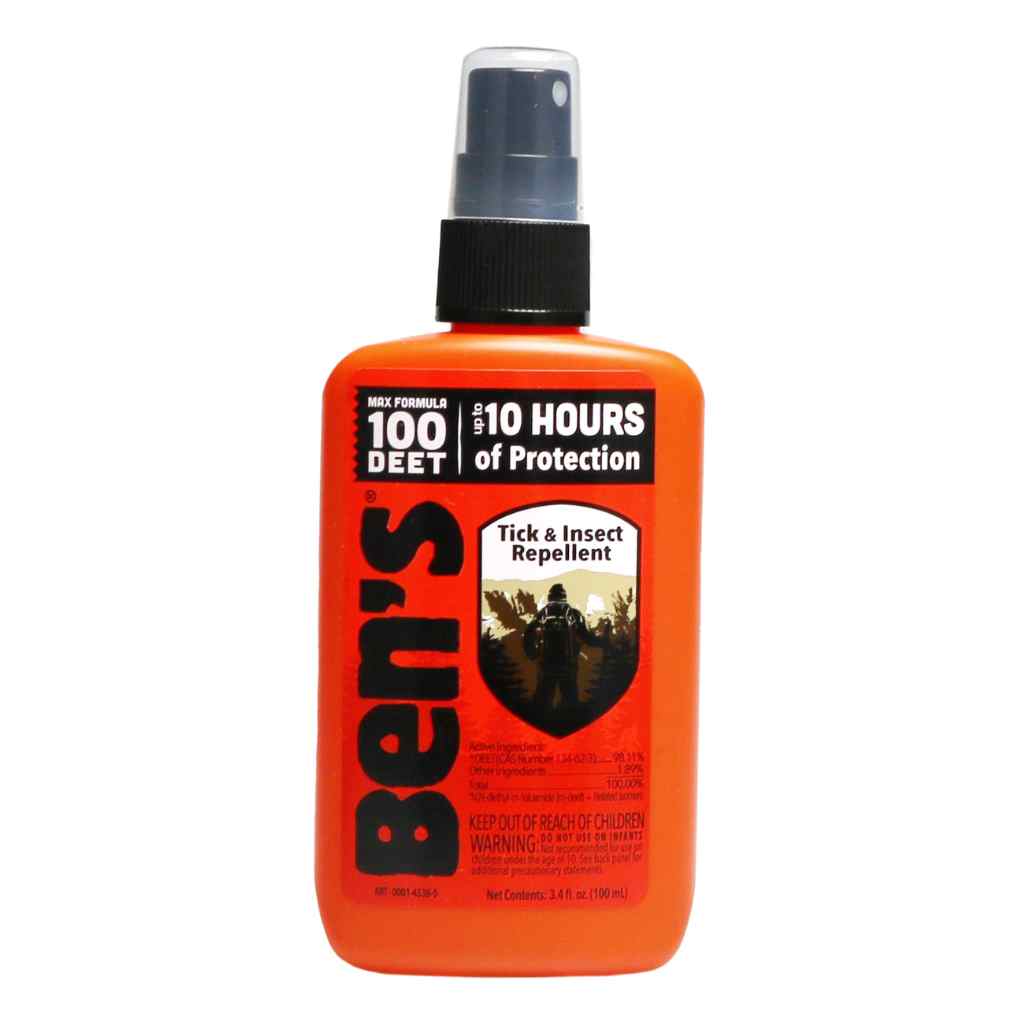
Ben's 100 Tick and Insect Repellent Pump Spray
DEET 100%
Complete protection

Ben's
Ben's 30 Tick & Insect Repellent Eco-Spray
DEET 30%
Complete protection

Natrapel
Natrapel Lemon Eucalyptus Tick & Insect Repellent Eco-Spray
Oil of Lemon Eucalyptus 30%
Complete protection
Murphy's Naturals
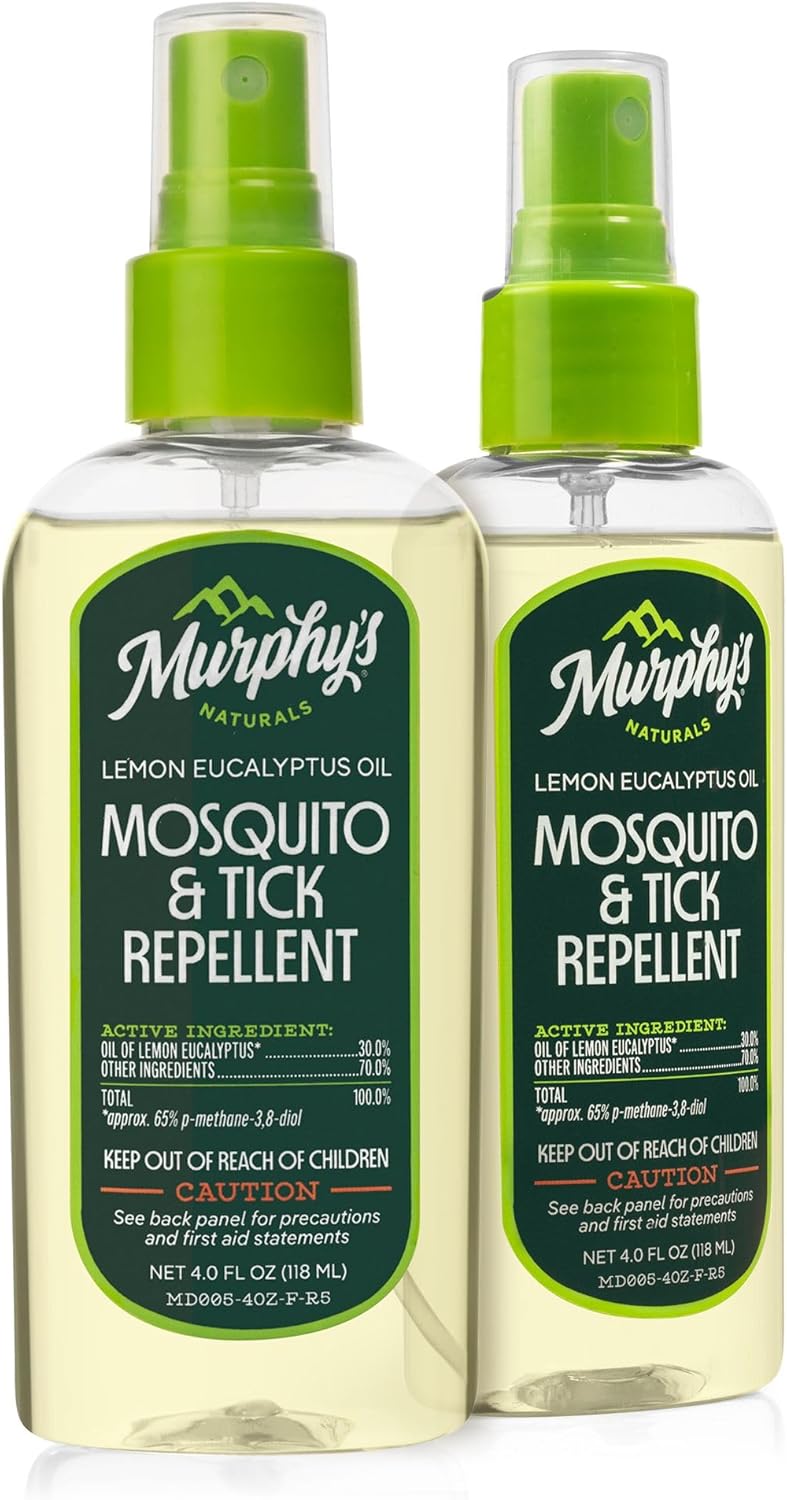
Lemon Eucalyptus Oil Mosquito & Tick Repellent Mist
Oil of Lemon Eucalyptus 30%
Complete protection
Cutter
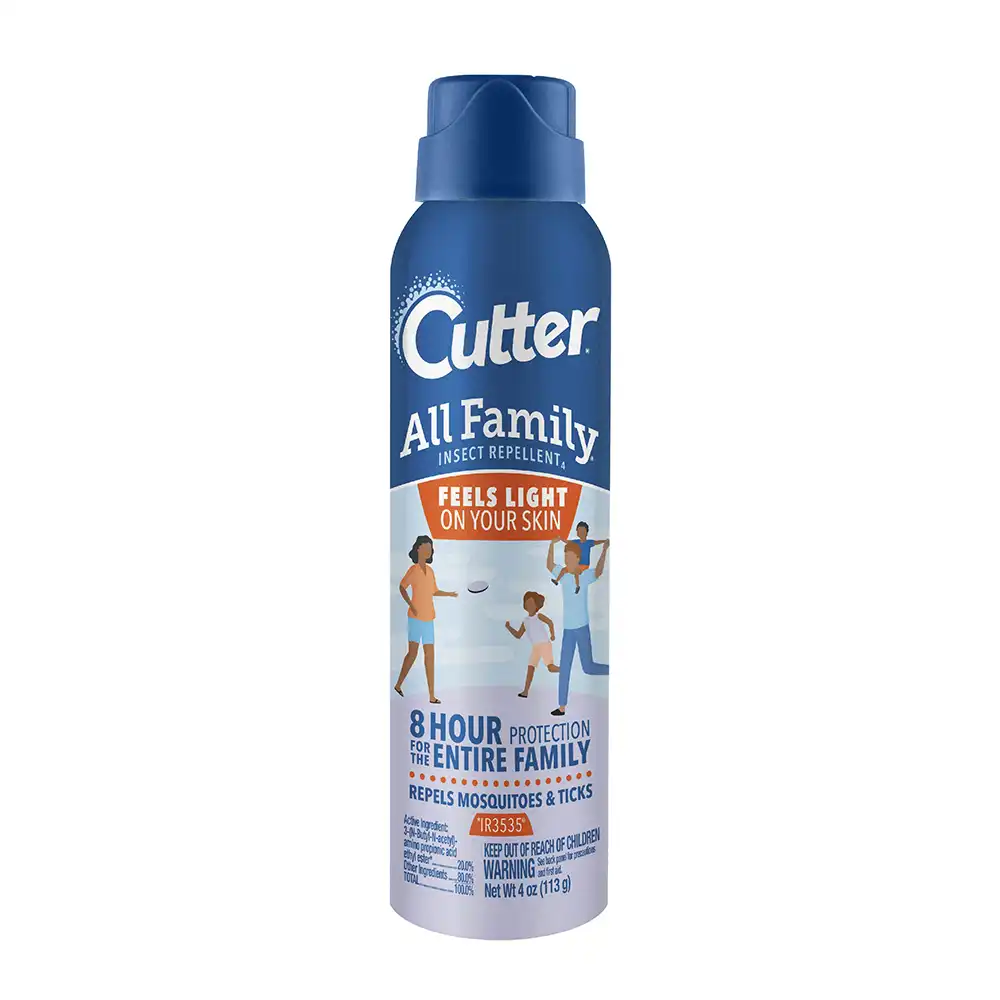
Cutter All Family Insect Repellent
IR3535 20%
Complete protection
Zevo
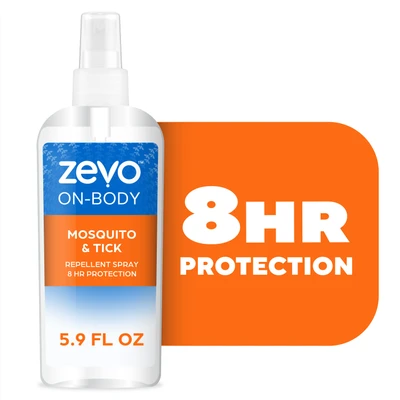
Zevo On-Body Mosquito and Tick Repellent Pump Spray
IR3535 20%
Complete protection
Frequently asked questions
What is the most effective bug spray?
By complete protection time, a 20% picaridin product: 8–10 hours against mosquitoes in the data we use, longer than 25% DEET's 5–6. Very high DEET concentrations narrow the gap, but nothing sold to consumers beats 20% picaridin on bite-free hours.
Is a higher DEET percentage stronger?
It lasts longer; it doesn't repel better. A 10% DEET and a 30% DEET stop mosquitoes equally well for the first hour. The 30% keeps doing it for several more. Past about 30% DEET the extra duration flattens out, and what you gain is mostly staying power through sweat and rain.
Does bug spray work on ticks?
The EPA-registered actives do. The CDC lists DEET, picaridin, IR3535, oil of lemon eucalyptus, PMD, and 2-undecanone for ticks as well as mosquitoes. Picaridin holds off ticks the longest in our model, and treating clothing with 0.5% permethrin adds more protection than any skin repellent alone.
Do natural bug sprays work?
Some do, for a short time. Oil of lemon eucalyptus at 30% runs 4–6 hours. Geraniol, the best-studied true plant oil (and the active in our own Notch), gives about an hour. Most other essential-oil sprays protect for well under an hour, and citronella at lab strength manages roughly 20 minutes.
What bug spray is safe for kids?
Picaridin and DEET are both fine from 2 months of age when an adult applies them, and the American Academy of Pediatrics puts the ceiling for children at 30% DEET. Oil of lemon eucalyptus and PMD are not for children under 3. No repellent should go on a baby younger than 2 months; use netting over the stroller or carrier.
Is bug spray safe during pregnancy?
The CDC says EPA-registered repellents are safe and effective when used as directed, including for people who are pregnant or breastfeeding. Where mosquito-borne illness is a risk, the agency's advice is to use one.
How do you rank the products?
Every product gets a 0–100 score from the same published rules: how long it protects, how good the evidence is, skin safety, and how fully the label discloses its formula. The code applies those rules identically to every brand, including our own, and the arithmetic is shown on each product page.
Keep reading
Go deeper: read the full picaridin, deet, oil of lemon eucalyptus and ir3535 ingredient pages, or see how we score.