Phenothrin
Cyclopropanecarboxylic acid, 2,2-dimethyl-3-(2-methyl-1-propenyl)-, (3-phenoxyphenyl)methyl ester
EPA Substance Registry Services (SRS) listed active ingredient for pesticide products.
Safety around dogs & cats
Cats are the textbook cautionary case for this active. Phenothrin flea products marketed for cats were linked to salivation, tremors, and deaths in cats and kittens, and EPA cancelled Hartz's phenothrin cat products in 2006 while the dog versions stayed on the market. The cause is feline glucuronidation deficiency (ASPCA, Pet Poison Helpline, VCA). Keep cats away from any phenothrin device or treated surface, keep pet birds out of enclosed treated spaces, and never apply it to a cat.
High confidence. Ratings from ASPCA Animal Poison Control, the Pet Poison Helpline, and published veterinary toxicology. This is general information, not veterinary advice. If your pet is exposed, call your vet or the ASPCA Animal Poison Control Center at (888) 426-4435.
The evidence
Phenothrin, also called sumithrin, is a synthetic pyrethroid used as a mosquito adulticide in foggers and space sprays. Field data confirm it knocks down adult mosquitoes on contact with low honey-bee mortality at label rates, but as an aerosol it has minimal residual and limited reach into sheltered resting sites.
- Permethrin, Resmethrin, d-Phenothrin (Sumithrin): Synthetic Pyrethroids For Mosquito Control2024Review
EPA authoritative overview of the synthetic pyrethroids used as mosquito adulticides.
- Experimental Evaluation of the Impact of Household Aerosolized Insecticides on Pyrethroid Resistant Aedes aegypti2018Field Trial
Semi-field test of consumer pyrethroid aerosols against resistant and susceptible Aedes aegypti.
- Limited Impacts of Truck-Based Ultra-Low-Volume Applications of Mosquito Adulticides on Mortality in Honey Bees (Apis mellifera)2017Field Trial
Field measurement of honey bee mortality from ULV pyrethroid adulticides at varying distances.
- Characteristics and Efficacy of Three Commercial Handheld Thermal Foggers with Pyrethroid Insecticides Against Three Species of Mosquitoes2016LabWell-supported evidence
Controlled trials of three consumer handheld thermal foggers (including Black Flag and Burgess) with pyrethroid insecticide.
- Pyrethroid Resistance Reduces the Efficacy of Space Sprays for Dengue Control on the Island of Martinique2011Field Trial
Field study of how pyrethroid resistance undermines space-spray adulticiding.
Products using it

Black Flag
Black Flag Propane Insect Fogger
Phenothrin 0.15%
Coverage & effectiveness

Bonide
Bonide Mosquito Beater Flying Insect Fog
Phenothrin 0.15%
Coverage & effectiveness
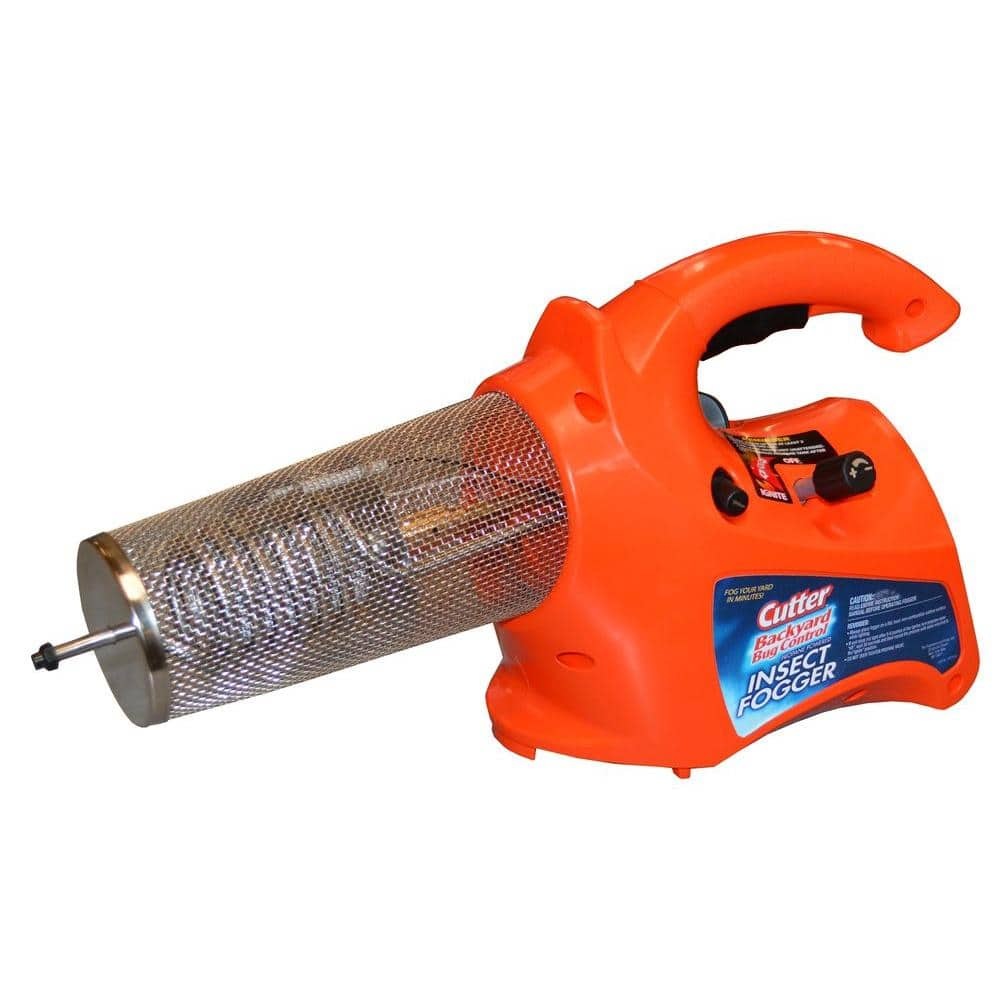
Cutter
Cutter Propane Insect Fogger
Phenothrin 0.15%
Coverage & effectiveness

Cutter
Cutter Backyard Bug Control Outdoor Fogger
Tetramethrin 0.20% · Phenothrin 0.20%
Coverage & effectiveness

Burgess
Burgess 1443 Propane Insect Fogger
Phenothrin
Coverage & effectiveness
Regulatory notes
Source: EPA SRS active ingredient list export. Minimum risk (25(b)) status is applied separately when applicable.