Eucalyptus Citriodora Oil (Lemon eucalyptus oil)
Lemon eucalyptus oil (Corymbia citriodora) is the plant source of PMD, the active in oil of lemon eucalyptus. Refined and standardized as Citriodiol it performs in DEET's range; the raw, un-standardized oil has far less behind it.
How it works
Its repellency comes from citronellal and, once the oil is refined or naturally aged, from PMD. Standardized PMD content, not the lemon-eucalyptus label, is what sets the protection.
Safety around dogs & cats
A lemon-eucalyptus oil rich in citronellal and other monoterpenes from the eucalyptus family that the ASPCA cautions against for cats. Do not apply to cats and keep them from grooming treated skin; dogs are more tolerant but should not wear it either.
Moderate confidence. Ratings from ASPCA Animal Poison Control, the Pet Poison Helpline, and published veterinary toxicology. This is general information, not veterinary advice. If your pet is exposed, call your vet or the ASPCA Animal Poison Control Center at (888) 426-4435.
The evidence
The strong data are for the standardized product: a 2018 comparison put 15% PMD level with 15% DEET, and a tick trial covers a 30% Citriodiol spray. Raw lemon-eucalyptus essential oil in a DIY spray does not carry that evidence. For the refined active, see the oil of lemon eucalyptus and PMD pages.
- Complete Protection Time of a 30% Citriodiol (oil of lemon eucalyptus) repellent against three species of ticks (ARCTEC trial, NCT03708120)2019RctLimited evidence
A sponsor-run trial (registered as NCT03708120) measuring how long a consumer 30% Citriodiol spray, the refined oil-of-lemon-eucalyptus active, protects skin against three tick species. It is the only skin complete-protection-time tick study for OLE, but its results were never independently published.
- Evaluation of standard field and laboratory methods to compare protection times of the topical repellents PMD and DEET2018Field TrialWell-supported evidence
An open-access study asking a methodological question: how well do laboratory arm-in-cage tests predict real-world field protection? It tested identical 15% PMD and 15% DEET solutions on the same volunteers in both settings.
- Efficacy of some wearable devices compared with spray-on insect repellents for Aedes aegypti2017LabWell-supported evidence
Prompted by the Zika outbreak, this study compared eleven products, five sprays, five wearable devices, and a candle, for how well they reduced Aedes aegypti drawn to a person in a wind tunnel. The wearables mostly failed.
- The efficacy of some commercially available insect repellents for Aedes aegypti and Aedes albopictus2015LabWell-supported evidence
A lab comparison of eight over-the-counter repellents, two fragrances, and a vitamin B1 skin patch, measuring how much each reduced mosquito attraction to a treated hand. DEET and lemon eucalyptus lasted; most botanicals and the patch did little.
Products using it
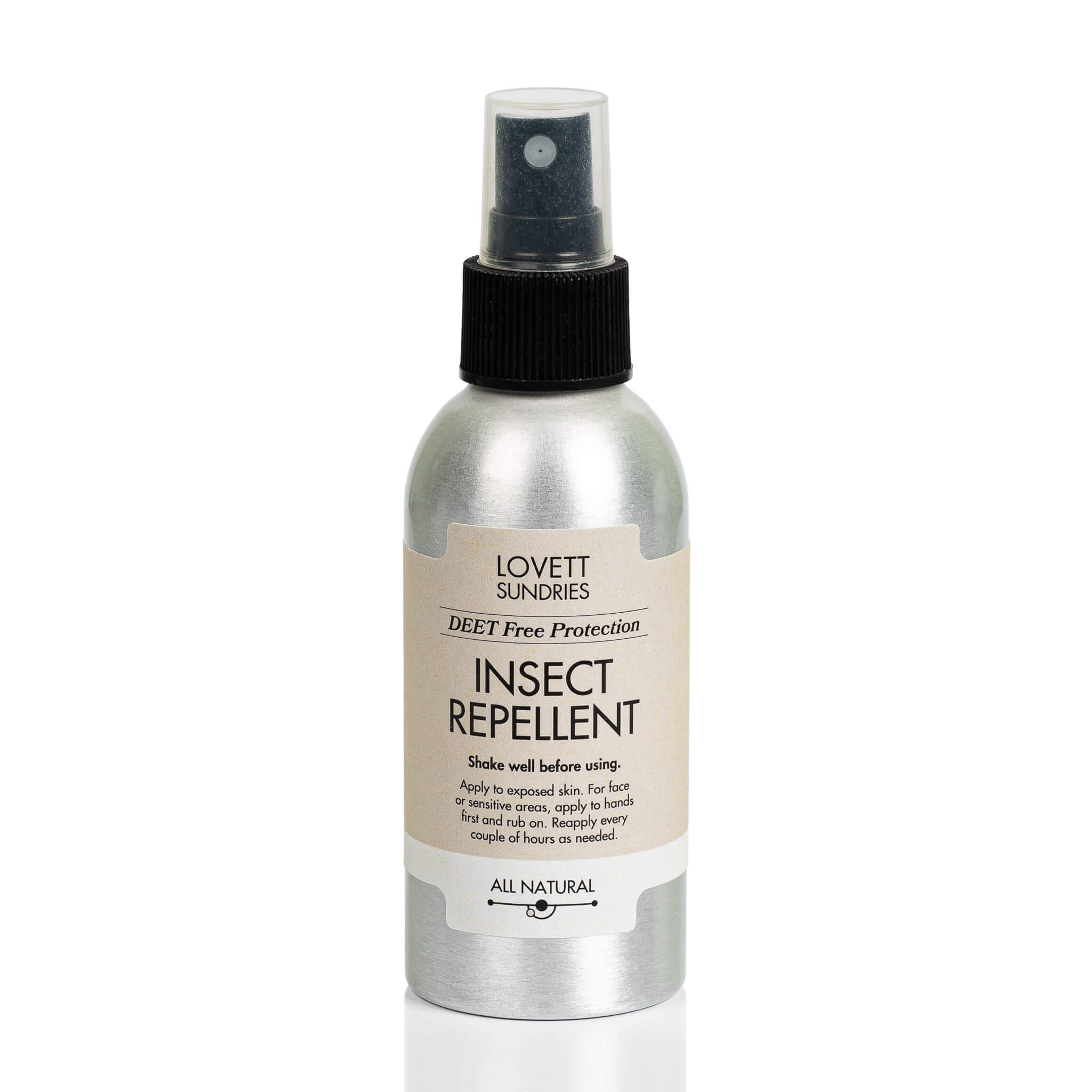
Not recommended
Potentially not EPA compliant
Lovett Sundries
Lovett Sundries Insect Repellent
Cedarwood oil 1.17% · Rosemary oil 1.16%
Complete protection
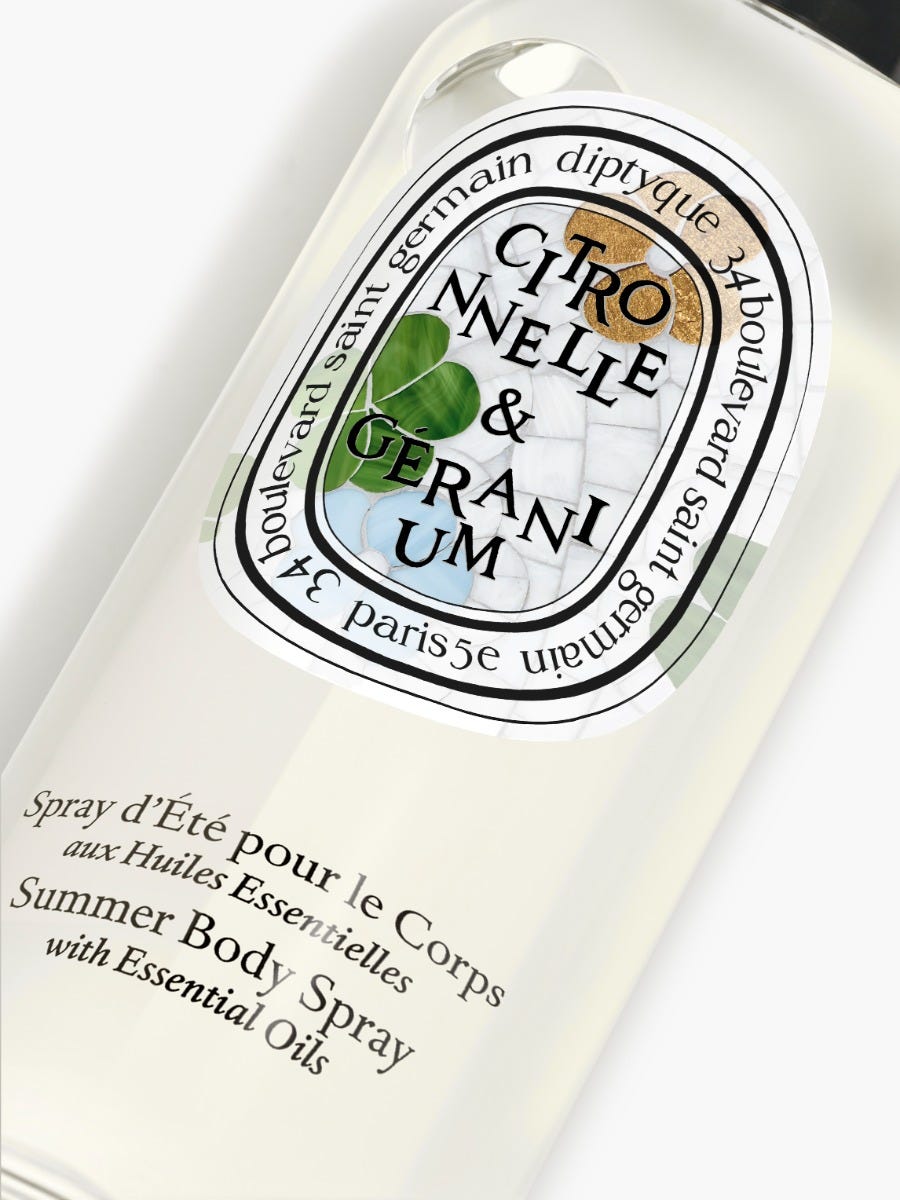
Not recommended
Formula not fully disclosed +2 more
Diptyque
Diptyque Lemongrass & Geranium Summer Body Spray
Citronella oil · Geranium oil
Complete protection

Not recommended
Formula not fully disclosed +2 more
Erbaviva
Erbaviva Buzz Spray
Cedarwood oil · Citronella oil
Complete protection
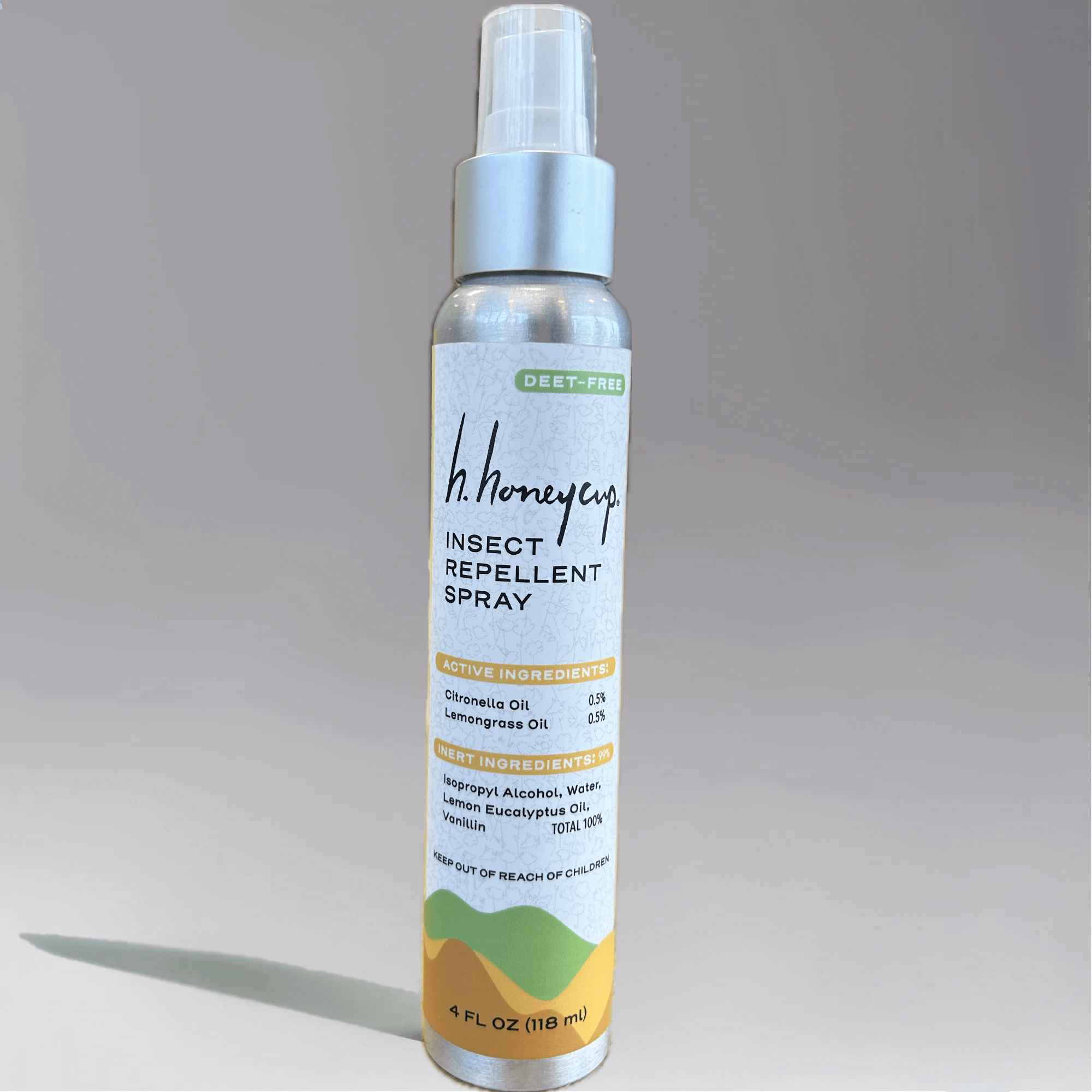
Not recommended
Formula not fully disclosed +2 more
H. Honeycup
H. Honeycup Lemon Eucalyptus Insect Repellent Spray
Citronella oil · Lemongrass oil
Complete protection
Safety notes
Standardized PMD products are CDC-recommended but not for children under 3. The raw essential oil can irritate skin and is not interchangeable with standardized OLE.