Cinnamon oil
Cinnamon oil is rich in cinnamaldehyde and eugenol, and in one controlled screen it ranked among the strongest essential oils against mosquitoes, though still short-acting. Its phenol content also makes it a real hazard to cats.
How it works
Cinnamaldehyde and eugenol repel and irritate insects on contact and mask host cues. As with other oils the protection is brief and drops off as the oil evaporates.
Safety around dogs & cats
Cinnamaldehyde and eugenol make cinnamon oil an irritant and, via its phenol content, a real hazard to cats. Do not apply it to a pet; keep cats off treated skin and out of rooms where it is diffused. Dogs are more tolerant but concentrated oil still irritates skin and stomach.
Moderate confidence. Ratings from ASPCA Animal Poison Control, the Pet Poison Helpline, and published veterinary toxicology. This is general information, not veterinary advice. If your pet is exposed, call your vet or the ASPCA Animal Poison Control Center at (888) 426-4435.
Mosquito protection by concentration: Cinnamon oil
Complete protection time (dark = lower bound, light = upper bound) on the same 12 h scale used across the site. Modeled from published dose-response data in our research library.
The evidence
In a 2023 arm-in-cage screen of 20 minimum-risk oils, cinnamon (with clove) gave among the longest complete-protection times against Aedes aegypti, on the order of an hour at 10% in a lotion, and CDC's 2024 work records short tick protection. Products use far less than 10%, so real-world duration is more modest.
- Toxicoses from essential oils in animalsReview
The Merck Veterinary Manual's reference on essential-oil poisoning in animals, explaining how pets are exposed (skin contact, grooming, inhalation) and why cats are the most vulnerable species.
- Efficacy of Unregulated Minimum Risk Products to Kill and Repel Ticks2024ReviewDefinitive evidence
A CDC review in Emerging Infectious Diseases asking whether the unregulated minimum-risk botanical products sold to kill and repel ticks actually work, against EPA-registered products. Its verdict: efficacy is wide-ranging, often poor, and unpredictable, and real skin-repellency data for them barely existed.
- Efficacy of unregulated minimum risk tick repellent products evaluated with Ixodes scapularis nymphs in a human skin bioassay2024LabWell-supported evidence
This study filled the exact gap the CDC review flagged: it measured, on human skin, how well eleven unregulated botanical tick repellents keep blacklegged-tick nymphs off, against DEET, across 6.5 hours.
- Repellent efficacy of 20 essential oils on Aedes aegypti mosquitoes and Ixodes scapularis ticks in contact-repellency assays2023LabWell-supported evidence
A New Mexico State University lab put 20 minimum-risk repellent ingredients through the same test at the same 10% strength, so the oils could be compared head to head instead of across studies that each used different doses and methods. The point was a like-for-like ranking of how long each one keeps Aedes aegypti mosquitoes and blacklegged ticks off skin.
Products using it
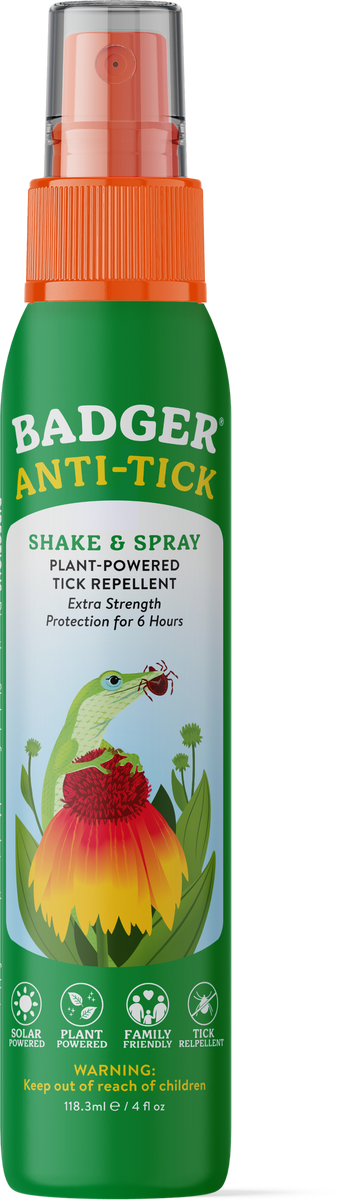
Badger
Anti-Tick Spray
Thyme oil 1.0% · Geraniol 4.5%
Complete protection
Not recommended
No proven mosquito protection
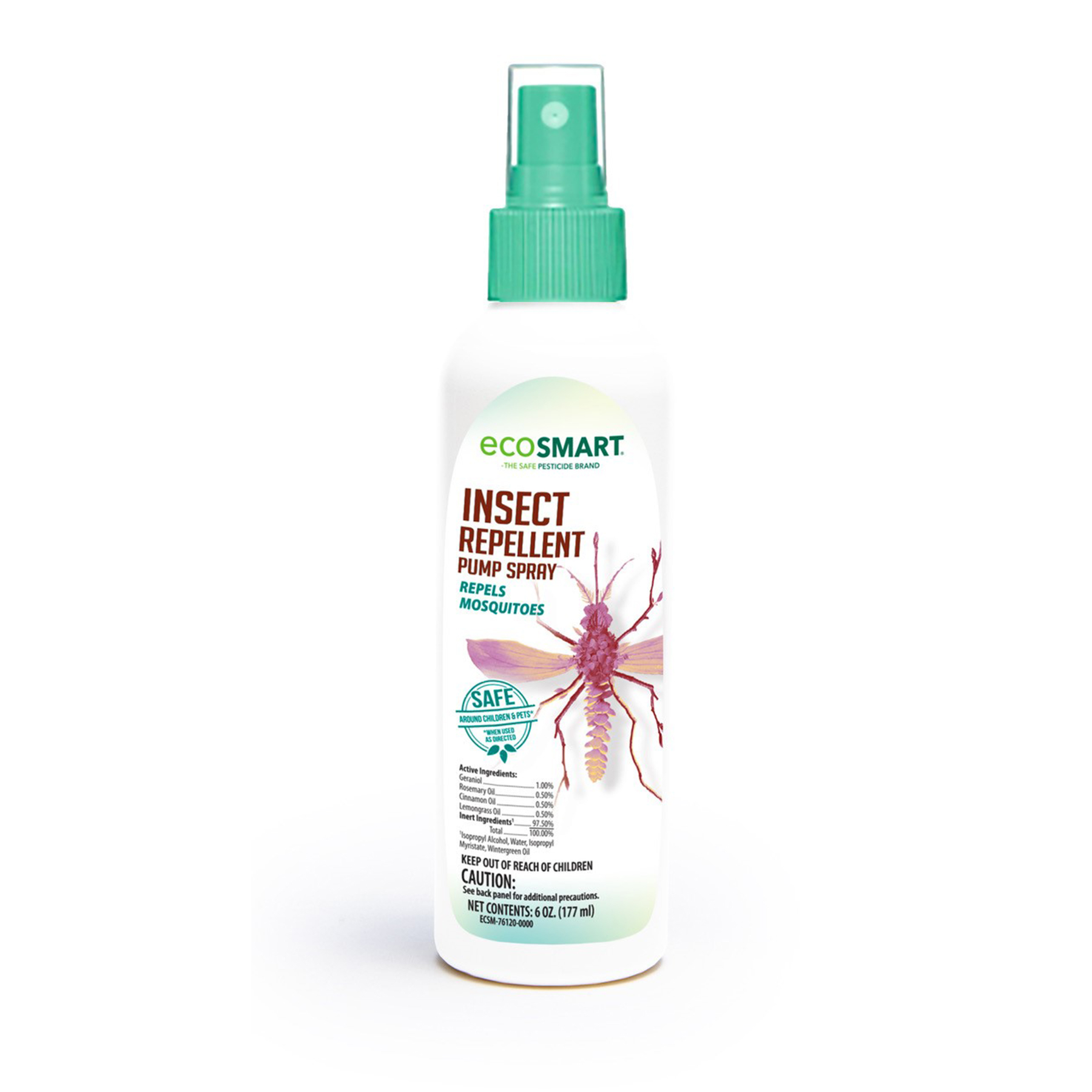
EcoSMART
EcoSMART Organic Insect Repellent
Rosemary oil 0.5% · Lemongrass oil 0.5%
Complete protection

Not recommended
Formula not fully disclosed +1 more
Heretic Parfum
The Entomologist Insect Repellent Spray
Cedarwood oil · Clove oil
Complete protection

Not recommended
Formula not fully disclosed +1 more
Bugvaya
Bugvaya Cinnamon Sensitive Skin Insect Repellent
Cedarwood oil · Clove oil
Complete protection

Not recommended
Formula not fully disclosed +1 more
Bugvaya
Bugvaya Cinnamon Insect Repellent
Cedarwood oil · Clove oil
Complete protection
Regulatory notes
EPA minimum risk (FIFRA 25(b)) approved active ingredient; matched to SRS registry entry.
Safety notes
Cinnamon oil, especially cassia-type, is a strong skin irritant and sensitizer that needs heavy dilution. Its eugenol and cinnamaldehyde are dangerous to cats, which cannot metabolize phenols; see the pet-safety note below.