The science
Why mosquitoes bite some people moreWhy do mosquitoes bite some people more than others?
Some people really are mosquito magnets. The main reason is how your skin smells, it is largely out of your control, and it even depends on which mosquito is biting. Here is what the research shows, which popular theories hold up, and what actually helps.
By Shannon Kolarik, Founder, Notch Wellness · Updated November 8, 2026 · Reviewed against our scoring methodology
If you are the one who comes inside covered in bites while everyone else is fine, you are not imagining it. In a 2022 study at Rockefeller University, the most attractive volunteer drew about 100 times more mosquitoes than the least attractive one, and the mosquito magnets stayed magnets when they were retested over several years.
The cause is mostly not your blood, your diet, or bad luck. It is how your skin smells, and that comes from your skin's natural oils and the bacteria that live on it. You cannot change that much, which is why the reliable fix is the same for everyone: a good skin repellent.
The numbers behind the mosquito magnet
How a mosquito picks you out
A biting mosquito uses its senses in stages. From a distance, the carbon dioxide in your breath tells it a warm-blooded host is nearby and switches it into hunting mode. As it gets closer, it follows the odor coming off your skin. Up close, sight and body heat guide the landing. A 2022 University of Washington study found that once yellow fever mosquitoes have smelled carbon dioxide, they fly toward red, orange, black, and cyan, and toward the red-orange glow of human skin of every complexion, while ignoring green, blue, purple, and white.
Scent is the step that sorts people. In a 2023 Johns Hopkins study, researchers piped the air from six sleeping volunteers into a large outdoor flight cage in Zambia. Heat alone did not attract the mosquitoes, while body odor drew them in on its own, and one volunteer consistently drew the most landings.
It is mostly your skin's smell, and your skin bacteria
Every person gives off a unique blend of odors from skin oil and the bacteria that break it down. The Rockefeller team found that the most attractive people had much higher levels of carboxylic acids on their skin, fatty acids that skin bacteria produce from skin oil. The Johns Hopkins study found the same pattern: its most attractive volunteer gave off more of these acids, while its least attractive volunteer gave off fewer of them and more eucalyptol, a compound found in some plants and foods.
The bacteria themselves matter. A 2011 Dutch study of 48 volunteers found that people with more bacteria on their skin, but fewer kinds of bacteria, were more attractive to the main African malaria mosquito. And because skin chemistry runs in families, so does attractiveness. In a 2015 UK study of 37 pairs of identical and non-identical twins, identical twins tended to be more alike in how attractive they were, and the researchers estimated that genes explain about 62 percent of the variation. The study was small, so treat that number as a rough guide.
It also depends on which mosquito is biting
Being a magnet is not one fixed trait. In a 2026 study, Florida International University researchers tested 119 volunteers against three common species in the US: the yellow fever mosquito, the Asian tiger mosquito, and the southern house mosquito. Each species ranked the same people differently, no one was highly attractive to all three, and being a favorite of one species barely predicted being a favorite of another.
Each species also keyed on different chemistry. The Asian tiger mosquito favored people who gave off more of certain compounds, including ketones, while the yellow fever and house mosquitoes favored people who lacked certain plant-type odor compounds. In practice, the person who gets eaten alive at a daytime barbecue, when tiger mosquitoes are out, may not be the same person who gets bitten on the porch after dark, when house mosquitoes take over.
What makes a difference, and what does not
Your skin odor and skin bacteria
The main factor
Higher skin levels of carboxylic acids and a less varied skin microbiome are linked to attracting more mosquitoes, and the effect lasts for years.
Genetics
Real
A twin study estimated that genes explain about 62 percent of the variation in attractiveness, likely by shaping skin chemistry.
Pregnancy
Real
Pregnant women were about twice as attractive to malaria mosquitoes in a field study. Late in pregnancy they breathed out about 21 percent more air and their bellies were about 0.7°C warmer.
Drinking beer
Real, but a small effect
Several studies found beer or alcohol raised landings. At a Dutch music festival, people who had drunk beer in the previous 12 hours drew about 35 percent more landings.
Dark or red clothing
Plays a part
Once they have smelled your breath, yellow fever mosquitoes fly toward black, red, and orange and ignore green, blue, and white.
Soap and scented products
Can shift it, depending on the person
In a small 2023 study of four people, some soaps made some people more attractive and others less. No product reliably protects you.
Your sex
No consistent difference
One 2026 study found the yellow fever mosquito slightly preferred men, while two other species and a 465-person festival study showed no difference.
Blood type
Weak evidence
A small 2004 study found more tiger mosquito landings on type O. The finding has not held up consistently, the festival study found no effect, and a 2021 paper claiming an effect was retracted.
"Sweet" blood or a sugary diet
Myth
Mosquitoes cannot taste your blood before they bite, and there is no good evidence that blood sugar or diet changes who they choose.
Eating garlic or taking vitamin B
Does not work
Placebo-controlled trials of garlic (2005) and of vitamin B (2005) found neither made people less attractive to mosquitoes.
You cannot diet or shower your way out of it
Your skin odor is stable, partly inherited, and comes from bacteria you cannot really control. Changing soap, skipping beer, or wearing white may make a small difference, but none will turn a mosquito magnet into someone mosquitoes ignore. Plan on protection, not on smelling different.
What actually helps if you are the mosquito magnet
Use an EPA-registered skin repellent
DEET, picaridin, IR3535, and oil of lemon eucalyptus all have field evidence behind them, whatever your skin chemistry. Cover all exposed skin, not just a few spots, and reapply as the label says. If you also use sunscreen, put it on first and the repellent on top.
Treat your clothes, and wear lighter colors
Permethrin-treated clothing stops mosquitoes from biting through the fabric. Choosing white, green, or khaki over black, red, or orange makes you a little harder to spot once mosquitoes have caught your scent.
Put a fan on the patio
Mosquitoes are weak fliers, and moving air scatters the carbon dioxide and skin odor they follow to find you. A steady breeze over the seating area protects whoever sits in it, magnet or not.
Know which mosquitoes are biting you, and when
Asian tiger and yellow fever mosquitoes bite during the day, while house mosquitoes bite from dusk into the night. If you get bitten at a particular time of day, that is when to put on repellent, even if no one else bothers.
Cut breeding at home
Fewer mosquitoes in the yard means fewer bites for everyone, and especially for the person they like best. Empty standing water every week, and treat water you cannot drain with Bti dunks.
Skin repellents that score best on the evidence
Our top-scoring skin repellents, ranked on the evidence for how long they protect. Your skin chemistry does not change which ones work.

Proven
Proven 14 Hour Mosquito + Tick Lotion – Odorless
Picaridin 20%
Complete protection
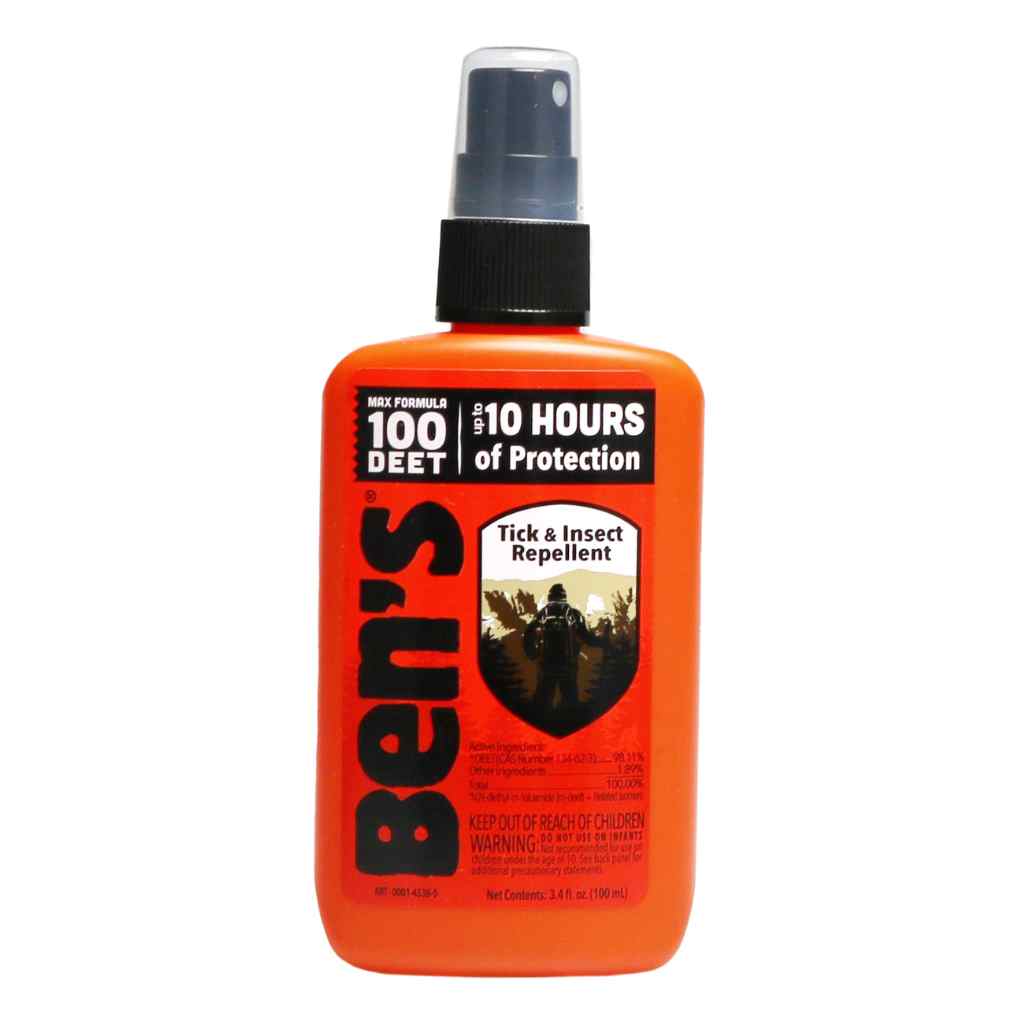
Ben's
Ben's 100 Tick and Insect Repellent Pump Spray
DEET 100%
Complete protection

Ben's
Ben's Repellent Lotion
Picaridin 20%
Complete protection

Ben's
Ben's Tick Repellent Eco-Spray
Picaridin 20%
Complete protection
› References
- De Obaldia ME et al. (2022), "Differential mosquito attraction to humans is associated with skin-derived carboxylic acid levels," Cell 185(22) — Aedes aegypti; about 100-fold range in attractiveness, stable over years
- Marrero KM et al. (2026), "Individual humans are more attractive to certain mosquito species," iScience 29(8):117006 — 119 volunteers, three species
- Our summary of the 2026 species study in the research library
- Giraldo D, Rankin-Turner S et al. (2023), "Human scent guides mosquito thermotaxis and host selection under naturalistic conditions," Current Biology — Semi-field flight cage in Zambia; Anopheles gambiae
- Fernández-Grandon GM et al. (2015), "Heritability of attractiveness to mosquitoes," PLoS ONE 10(4):e0122716 — 18 identical and 19 non-identical twin pairs
- Verhulst NO et al. (2011), "Composition of human skin microbiota affects attractiveness to malaria mosquitoes," PLoS ONE 6(12):e28991
- Alonso San Alberto D et al. (2022), "The olfactory gating of visual preferences to human skin and visible spectra in mosquitoes," Nature Communications 13:555 — Aedes aegypti
- Lindsay S et al. (2000), "Effect of pregnancy on exposure to malaria mosquitoes," The Lancet 355(9219):1972
- Lefèvre T et al. (2010), "Beer consumption increases human attractiveness to malaria mosquitoes," PLoS ONE 5(3):e9546
- "Blood, sweat, and beers" (2025), festival cohort study at Lowlands, Netherlands, bioRxiv preprint (not yet peer reviewed) — 465 attendees; Anopheles stephensi
- VanderGiessen M et al. (2023), "Soap application alters mosquito-host interactions," iScience
- Shirai Y et al. (2004), "Landing preference of Aedes albopictus on human skin among ABO blood groups," Journal of Medical Entomology 41(4):796
- University of Wisconsin mosquito site: home remedies (garlic and vitamin B trials)
Common questions
- Why do mosquitoes bite me and not my partner?
- Mostly because you smell different to them. Each person gives off a unique blend of odors from skin oil and skin bacteria, and some blends are far more attractive than others. In one study the most attractive person drew about 100 times more mosquitoes than the least attractive, and that difference held for years.
- Does blood type affect mosquito bites?
- Probably not much. One small 2004 study found more Asian tiger mosquito landings on people with type O blood, but the result has not held up consistently, a 465-person festival study found no blood type effect, and a 2021 paper claiming one was retracted. Skin odor matters far more.
- Do mosquitoes like sweet blood?
- No. Mosquitoes choose who to bite by smell, breath, heat, and sight before they ever taste your blood, and there is no good evidence that blood sugar or eating sweets makes you more attractive.
- Does eating garlic or taking vitamin B1 keep mosquitoes away?
- No. Placebo-controlled trials published in 2005 found that neither garlic nor vitamin B reduced how attractive people were to mosquitoes. Use a skin repellent instead.
- Can I stop being a mosquito magnet?
- Not really. Your skin odor is stable and partly genetic. Avoiding beer and dark clothing may help a little, but the dependable fix is protection: an EPA-registered repellent on exposed skin, permethrin-treated clothing, and a fan where you sit.
- Why do my bites swell up more than other people's?
- That is a separate issue from being bitten more. The itchy bump is your immune system reacting to mosquito saliva, and people react with very different strength, so someone who swells up badly may notice their bites more even when they are not getting bitten more often.