Lemon peel oil
Oils, essential, lemon
Cold-pressed lemon peel oil is rich in d-limonene, a compound with real insecticidal action but no track record as a skin repellent. It carries two wrinkles most oils don't: it can burn skin in sunlight, and it is notably toxic to cats.
How it works
Its main constituent, d-limonene, is a contact toxin to insects rather than a scent-masking repellent, which is why the isolated compound is registered as an insecticide and even a dog-and-cat repellent. As a topical mosquito repellent for people, that mechanism has not translated into demonstrated bite protection.
Safety around dogs & cats
A citrus oil high in d-limonene and linalool, compounds cats detoxify slowly, so citrus oils are a well-known cat hazard. Do not apply to cats and keep cats off treated skin; dogs are more tolerant but concentrated citrus oil still irritates skin and stomach.
Moderate confidence. Ratings from ASPCA Animal Poison Control, the Pet Poison Helpline, and published veterinary toxicology. This is general information, not veterinary advice. If your pet is exposed, call your vet or the ASPCA Animal Poison Control Center at (888) 426-4435.
The evidence
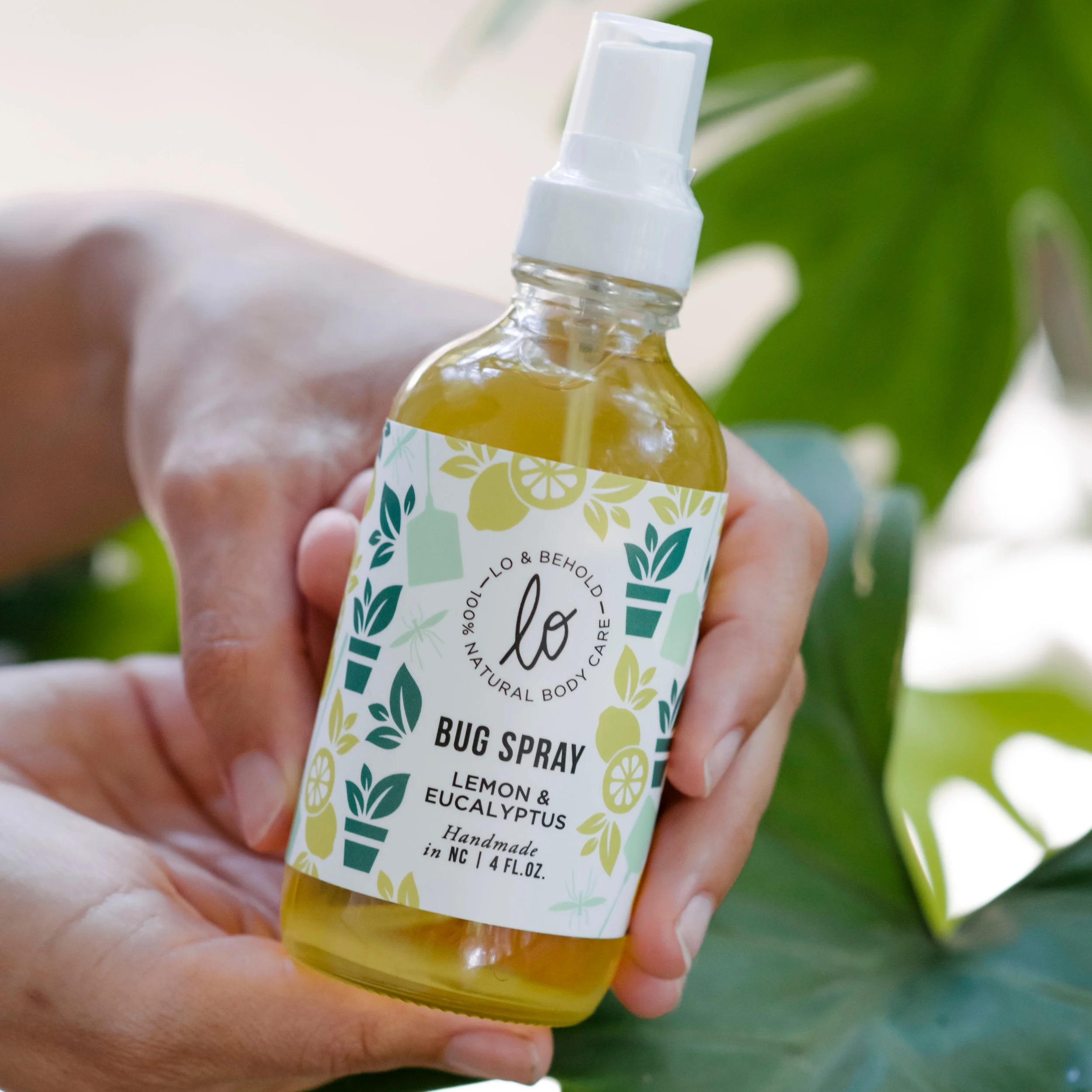
No credible human complete-protection-time data exist for lemon peel oil. It was left out of the main controlled repellency screens, and the citrus-oil literature measures larval killing and fabric knockdown rather than skin protection. One botanical spray in our set (Lo & Behold) lists it, at under 1%.
- Toxicology of selected pesticides, drugs, and chemicals. D-limonene, linalool, and crude citrus oil extracts1990Review
A short veterinary review of the toxicology of d-limonene, linalool, and crude citrus oil extracts used in insecticidal pet products, focused on why cats react badly to them.
- Effects of an insecticidal dip containing d-limonene in the cat1986Lab
A controlled experiment applying a d-limonene insecticidal dip to cats at escalating strengths to map the dose at which citrus-oil toxicity appears.
Products using it
Regulatory notes
Source: EPA SRS active ingredient list export. Minimum risk (25(b)) status is applied separately when applicable.
Safety notes
Two specific cautions. Expressed lemon oil contains furocoumarins and is phototoxic, so treated skin can blister in sunlight, and its d-limonene oxidizes into a frequent skin sensitizer. It is also a documented cat toxin; see the pet-safety note below.