Lavender oil
Oils, lavender
Lavender oil is prized for its scent, and that is mostly what it brings to a repellent. Its linalool gives brief mosquito repellency at best, roughly half an hour to an hour, with no useful tick data.
How it works
Linalool and linalyl acetate, lavender's main constituents, can mask host odor for a short time. The effect is weak and fades quickly outdoors.
Safety around dogs & cats
The ASPCA lists lavender as toxic to dogs and cats; its linalool and linalyl acetate cause drooling, vomiting, and lethargy, with cats the more sensitive. Do not apply lavender oil to a pet, and keep cats from licking treated skin or grooming a misted coat.
Moderate confidence. Ratings from ASPCA Animal Poison Control, the Pet Poison Helpline, and published veterinary toxicology. This is general information, not veterinary advice. If your pet is exposed, call your vet or the ASPCA Animal Poison Control Center at (888) 426-4435.
The evidence
Controlled work puts lavender's mosquito protection at about 30 to 60 minutes at effective concentrations, and reports of strong indoor repellency tend to collapse outdoors. There is no meaningful tick evidence. In most products lavender is present for fragrance, not protection.
- Lavender, eucalyptus, and orange essential oils as repellents against Ixodes ricinus females2017LabLimited evidence
A Czech lab bioassay comparing lavender, eucalyptus, and orange oils, all at 10%, against castor-bean ticks, with 10% DEET as a stable benchmark. All three faded fast, but lavender was clearly the best of them.
Products using it
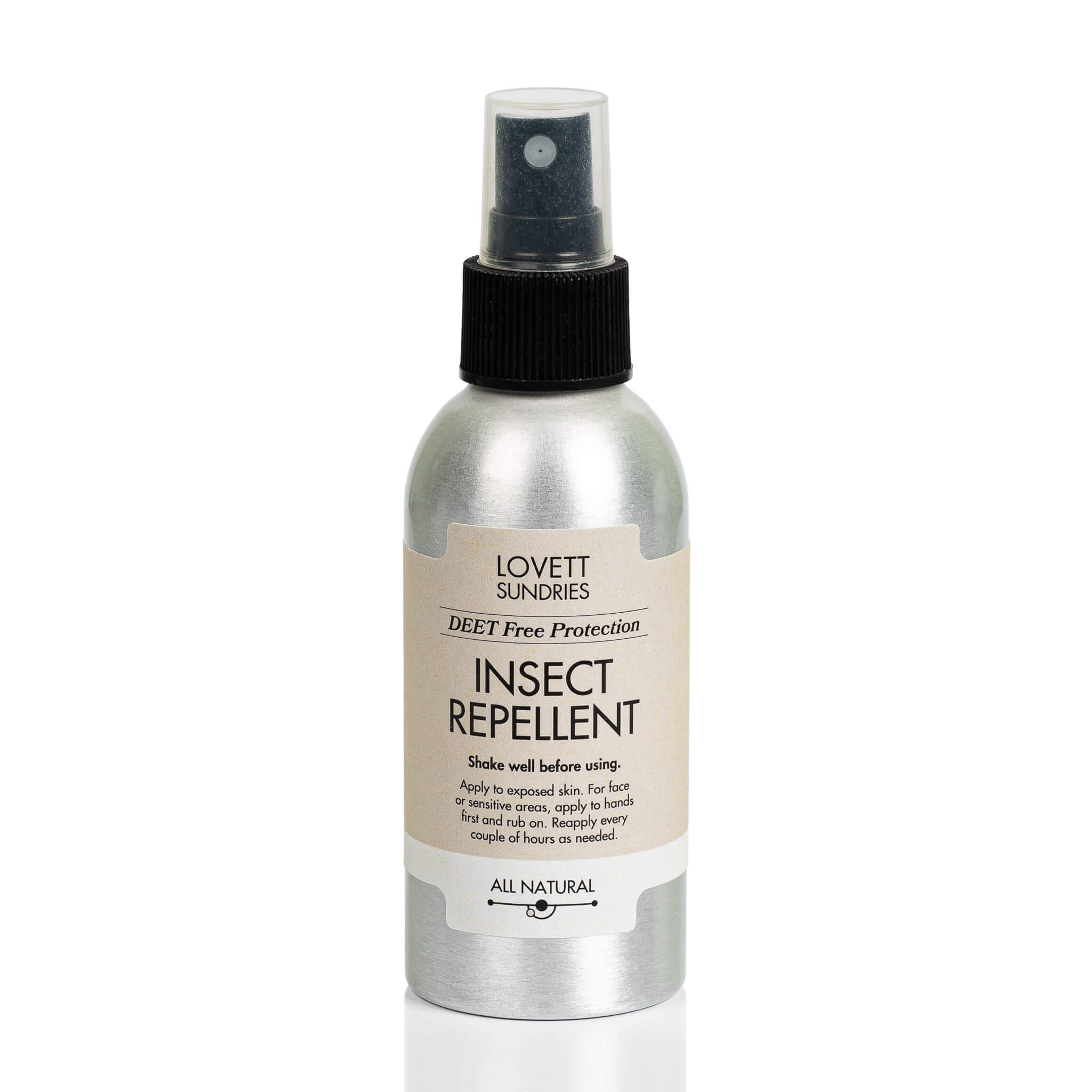
Not recommended
Potentially not EPA compliant
Lovett Sundries
Lovett Sundries Insect Repellent
Cedarwood oil 1.17% · Rosemary oil 1.16%
Complete protection
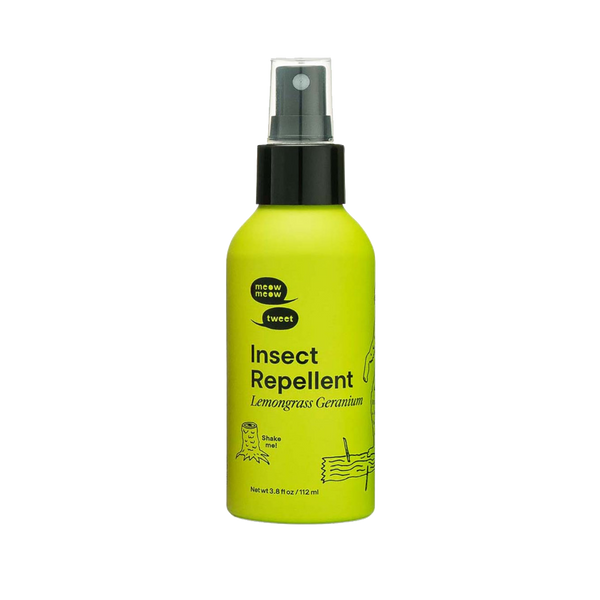
Not recommended
Formula not fully disclosed +1 more
Meow Meow Tweet
Meow Meow Tweet Insect Repellent
Cedarwood oil · Geranium oil
Complete protection
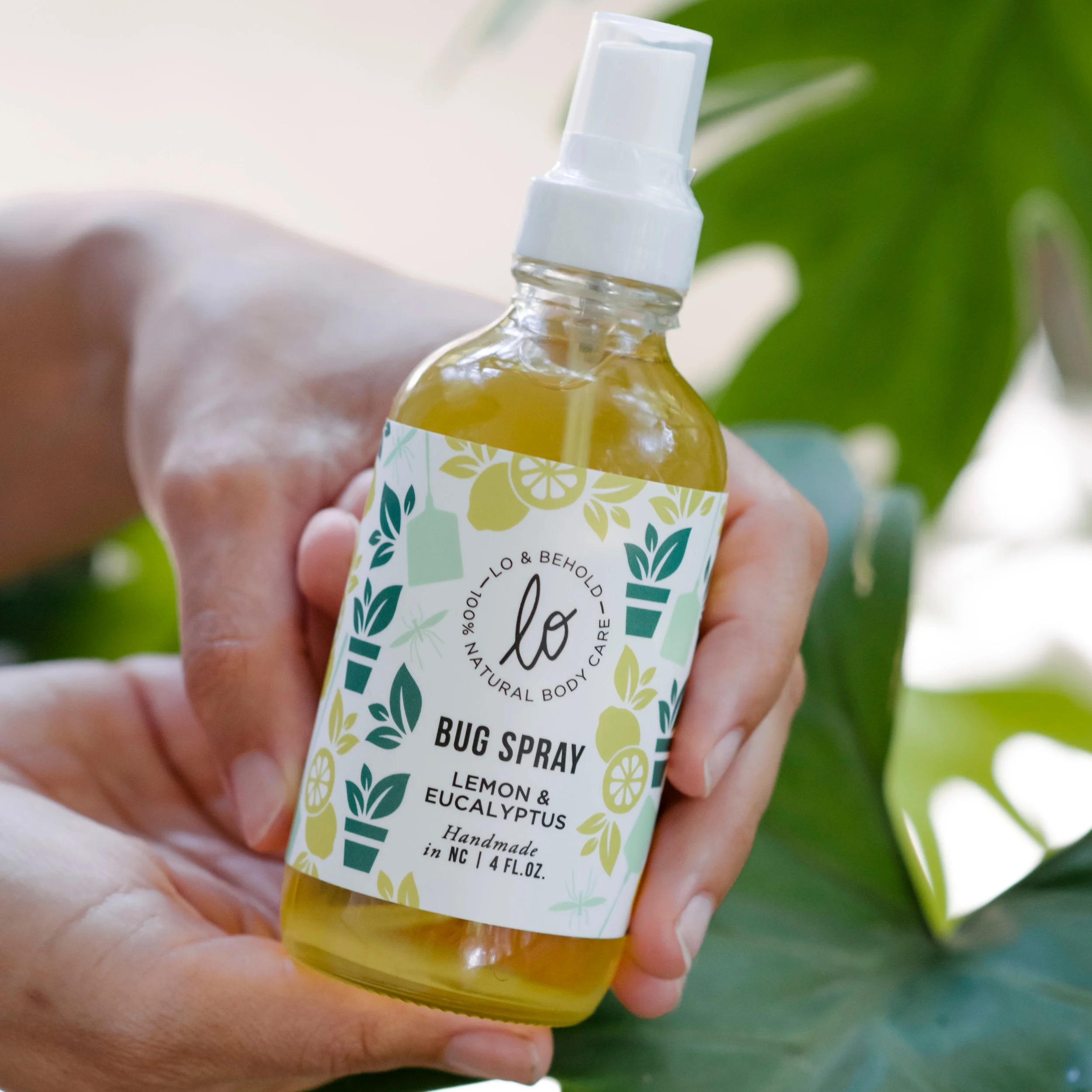
Not recommended
Potentially not EPA compliant +1 more
Lo & Behold Naturals
Lo & Behold Naturals Lemon & Eucalyptus Bug Spray
Citronella oil 0.53% · Rosemary oil 0.36%
Complete protection
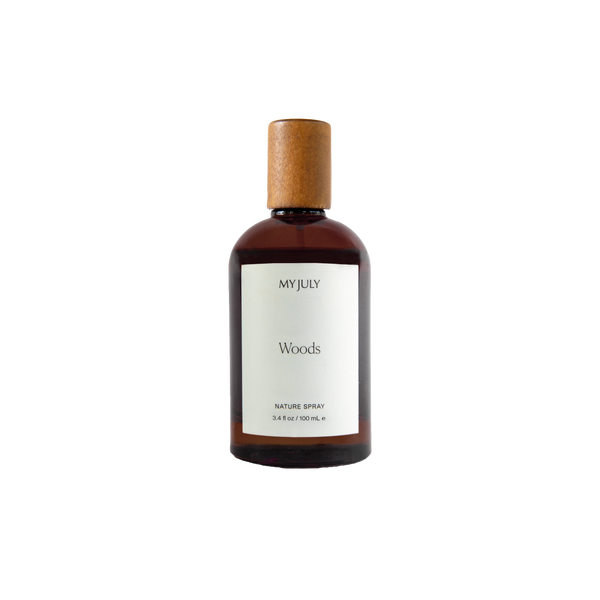
Not recommended
Formula not fully disclosed +2 more
My July
My July Woods Nature Spray Tick & Mosquito Repellent
Cedarwood oil · Citronella oil
Complete protection
Regulatory notes
Source: EPA SRS active ingredient list export. Minimum risk (25(b)) status is applied separately when applicable.
Safety notes
A common cosmetic oil; its oxidized linalool is a recognized skin allergen. Lavender is on the caution list for cats, which handle its terpenes poorly, so keep it off pets.