Thyme oil
Oils, thyme
High in the phenols thymol and carvacrol, thyme oil has a sharper edge against ticks than mosquitoes. It anchors tick-focused botanicals like Badger's Anti-Tick Spray at about 1%.
How it works
Thymol and carvacrol repel and irritate arthropods on contact. As with other essential oils the effect is short-lived, but thyme's activity leans toward ticks, which is how products tend to position it.
Safety around dogs & cats
High in the phenols thymol and carvacrol, which cats detoxify poorly, making it a real feline hazard as well as a strong skin irritant. Do not apply it to a pet, and keep cats away from treated skin. Dogs handle it better but should not wear it.
Moderate confidence. Ratings from ASPCA Animal Poison Control, the Pet Poison Helpline, and published veterinary toxicology. This is general information, not veterinary advice. If your pet is exposed, call your vet or the ASPCA Animal Poison Control Center at (888) 426-4435.
The evidence
The 1999 skin screen and the 2011 plant-repellent review both cover thyme, which performs respectably among oils at higher concentrations, and CDC's 2024 review notes short tick protection across the botanical class. Products such as Badger Anti-Tick and Natrapel's essential-oil sprays use it at 0.4 to 1.9%.
- Toxicoses from essential oils in animalsReview
The Merck Veterinary Manual's reference on essential-oil poisoning in animals, explaining how pets are exposed (skin contact, grooming, inhalation) and why cats are the most vulnerable species.
- Efficacy of Unregulated Minimum Risk Products to Kill and Repel Ticks2024ReviewDefinitive evidence
A CDC review in Emerging Infectious Diseases asking whether the unregulated minimum-risk botanical products sold to kill and repel ticks actually work, against EPA-registered products. Its verdict: efficacy is wide-ranging, often poor, and unpredictable, and real skin-repellency data for them barely existed.
- Plant-based insect repellents: a review of their efficacy, development and testing2011ReviewWell-supported evidence
A widely cited review of plant-based repellents arguing that demand for natural alternatives to DEET has outrun the evidence. It concludes most essential oils are too volatile to last, but that PMD and smart formulation can reach DEET-like duration.
- Repellency of essential oils to mosquitoes (Diptera: Culicidae)1999LabWell-supported evidence
A controlled study measuring how long five essential oils, alone and in blends, keep mosquitoes from biting treated skin across a wide range of concentrations. It sets a clear hierarchy and shows these oils do nothing at low doses.
Products using it

Quantum Health
Buzz Away Extreme Spray
Citronella oil 0.98% · Clove oil 0.40%
Complete protection

Natrapel
Natrapel Essential Oil Insect Repellent
Cedarwood oil 1.50% · Clove oil 0.25%
Complete protection
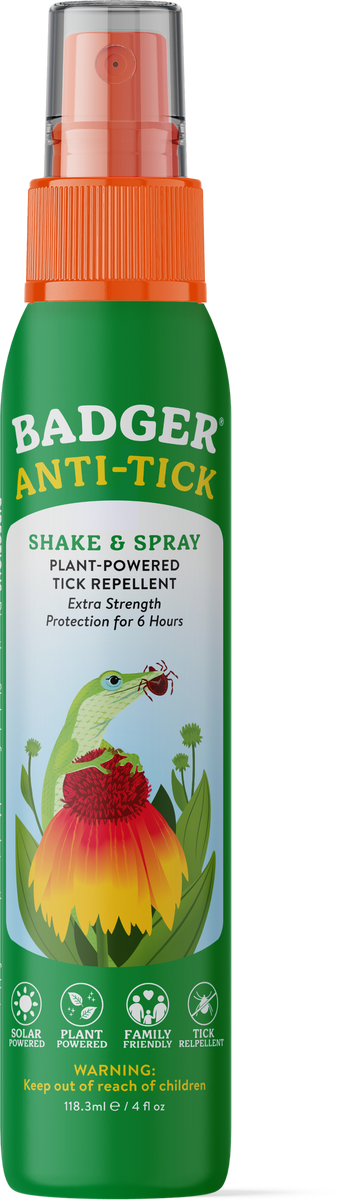
Badger
Anti-Tick Spray
Thyme oil 1.0% · Geraniol 4.5%
Complete protection
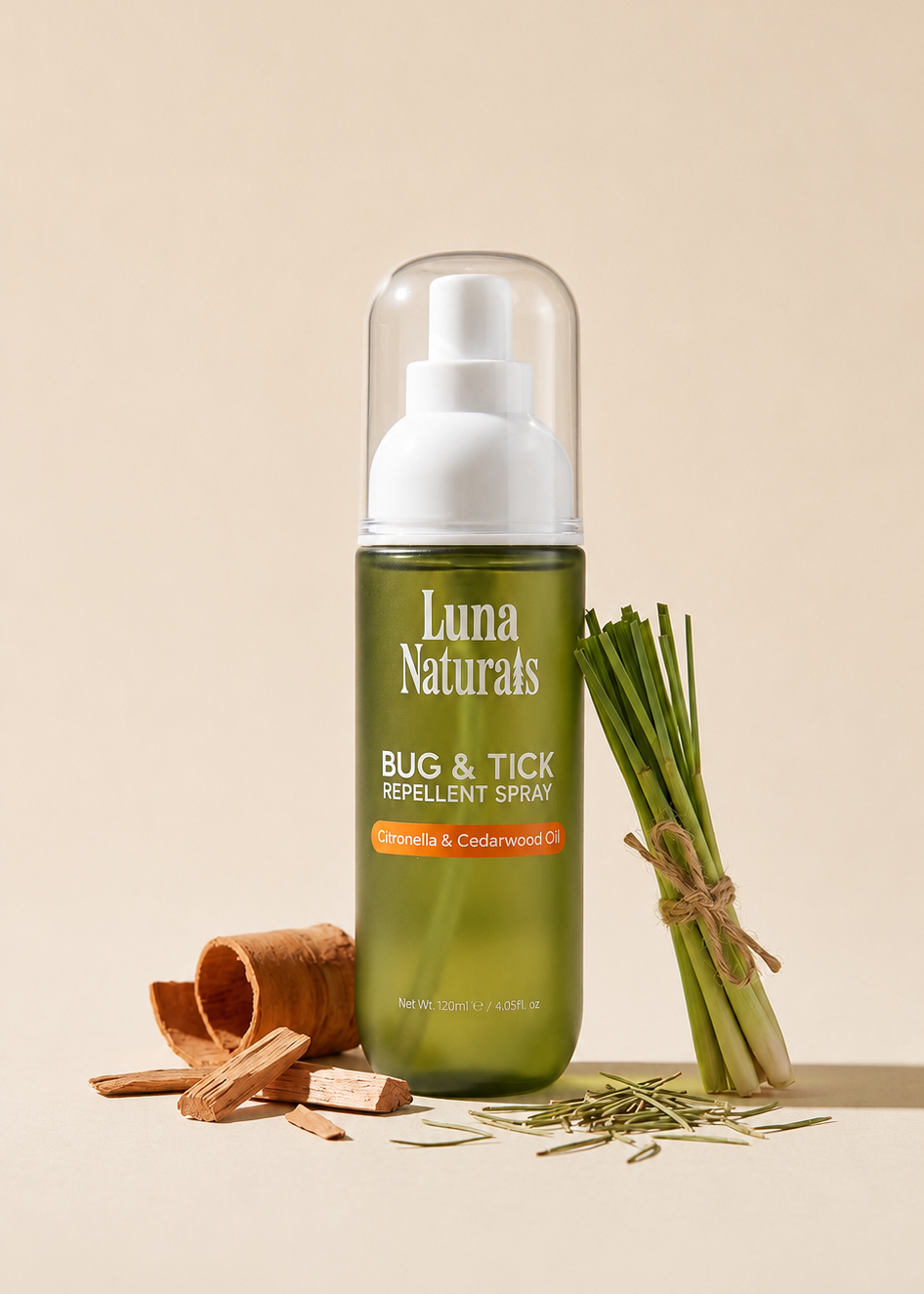
Luna Naturals
Luna Naturals Bug & Tick Repellent Spray (Citronella & Cedarwood)
Cedarwood oil 1.5% · Citronella oil 8%
Complete protection
Not recommended
No proven mosquito protection
Venture Wipes
Venture Wipes Natural Mosquito Repellent Wipes
Citronella oil 0.5% · Rosemary oil 0.05%
Complete protection

Not recommended
No proven mosquito protection
Natrapel
Natrapel Essential Oil Insect Repellent – Pets & People
Thyme oil 1.90% · Lemongrass oil 0.05%
Complete protection

Not recommended
Formula not fully disclosed +1 more
Heretic Parfum
The Entomologist Insect Repellent Spray
Cedarwood oil · Clove oil
Complete protection
Not recommended
Formula not fully disclosed +1 more
Skeeter Screen
Skeeter Screen 4 oz. Personal Spray
Cedarwood oil · Clove oil
Complete protection
Not recommended
Formula not fully disclosed +1 more
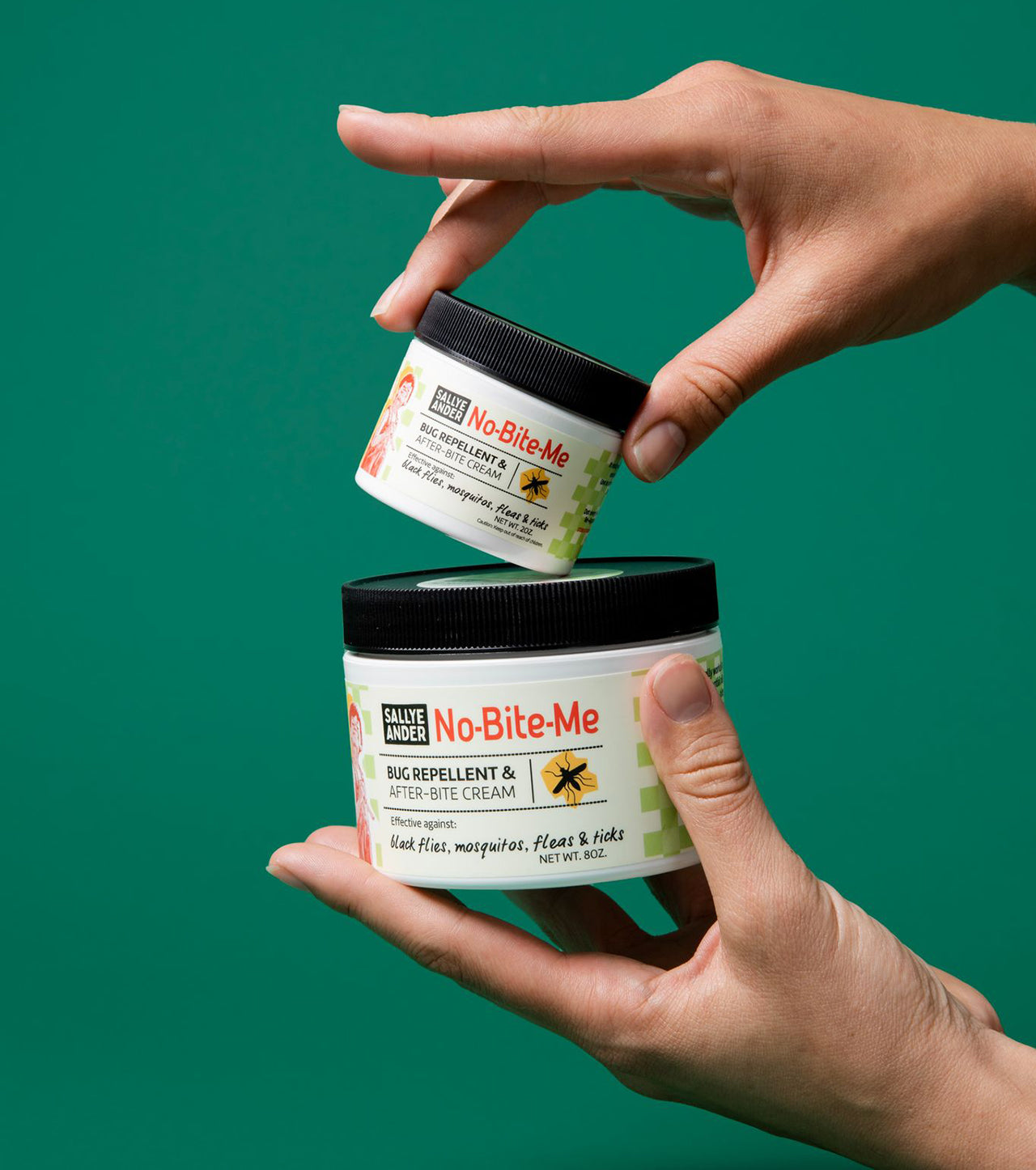
SallyeAnder
SallyeAnder No-Bite-Me Bug Repellent Cream
Cedarwood oil · Clove oil
Complete protection
Not recommended
Formula not fully disclosed +2 more
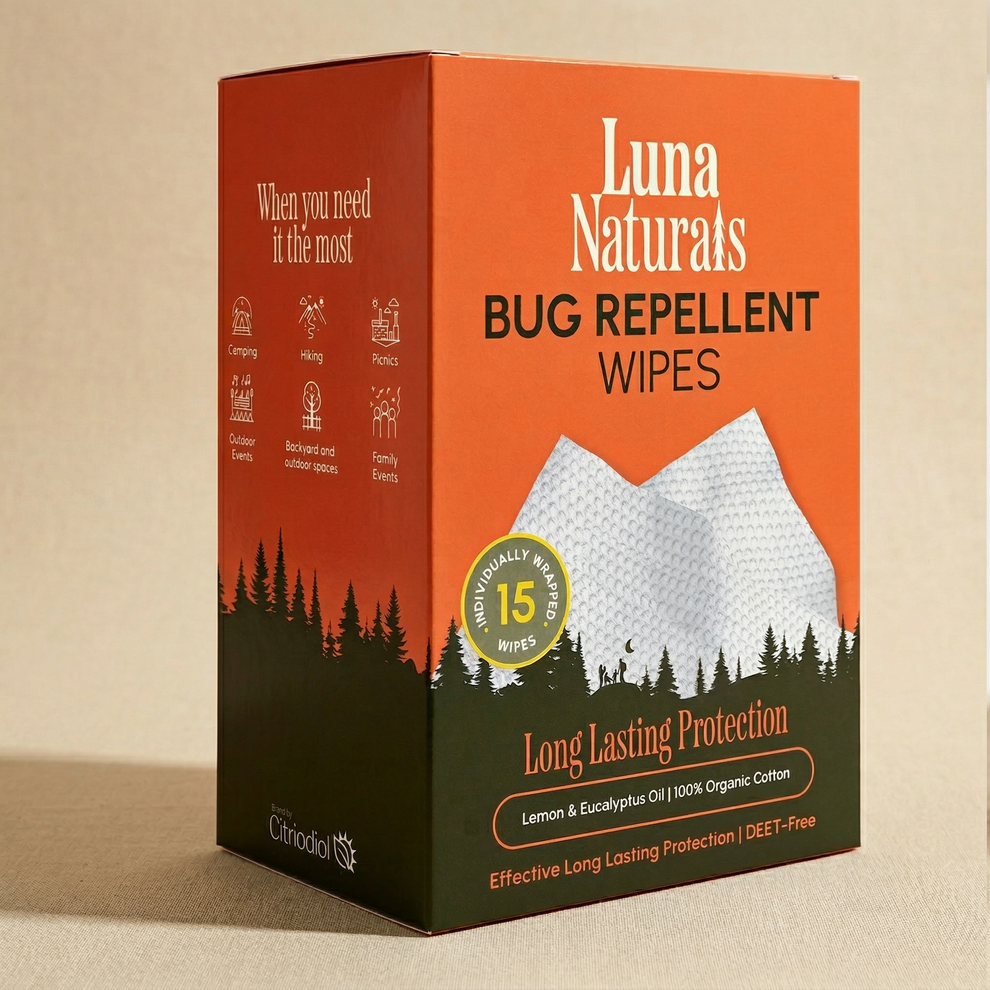
Luna Naturals
Luna Naturals Bug Repellent Wipes (Lemon Eucalyptus Oil)
Oil of Lemon Eucalyptus · Rosemary oil
Complete protection
Regulatory notes
EPA minimum risk (FIFRA 25(b)) approved active ingredient; matched to SRS registry entry.
Safety notes
Thymol-rich thyme oil is a strong skin irritant undiluted; IFRA and Tisserand-Young guidance put the dermal maximum near 1.3%, and it is moderately toxic to aquatic life. It is a real hazard to cats; see the pet-safety note below.