Eugenol
Phenol, 2-methoxy-4-(2-propen-1-yl)-
The phenol that makes up most of clove oil and much of cinnamon leaf oil. A few botanical products list it on its own, but its repellency and its risks are the clove-oil story at the molecular level.
How it works
Eugenol deters and can kill insects on contact and masks host odor with its strong clove scent. Protection is brief and rises with concentration.
Safety around dogs & cats
The phenol in clove and cinnamon oil. Cats cannot metabolize phenols efficiently, so eugenol is a serious hazard for them (liver injury, weakness), and dogs are also at risk. Never apply it to a pet and keep cats away from treated skin and from rooms where it is diffused.
High confidence. Ratings from ASPCA Animal Poison Control, the Pet Poison Helpline, and published veterinary toxicology. This is general information, not veterinary advice. If your pet is exposed, call your vet or the ASPCA Animal Poison Control Center at (888) 426-4435.
The evidence
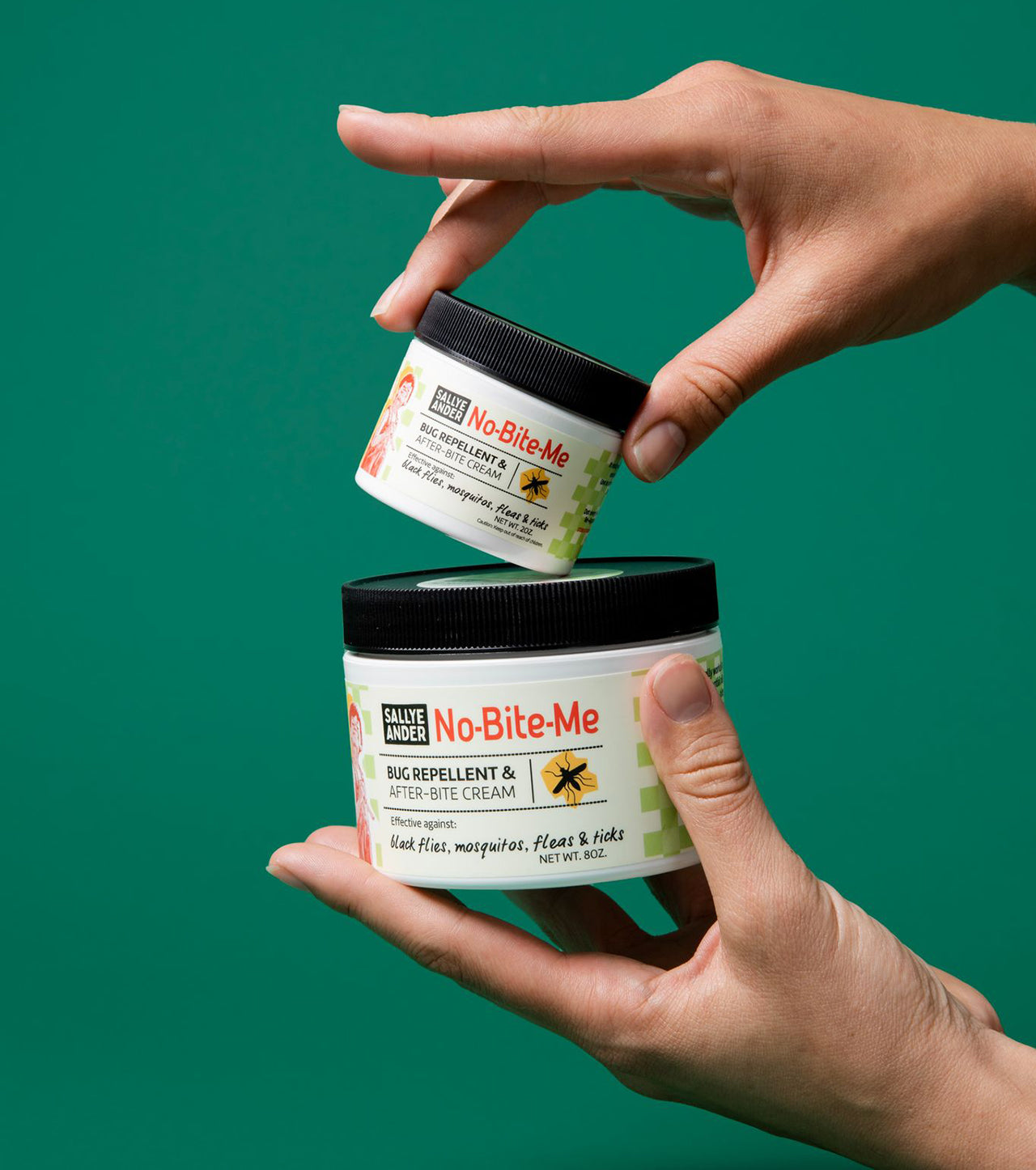
Eugenol's repellency is documented mainly through clove-oil studies rather than trials of the isolated compound: an effect at high concentrations that drops off quickly. It is rarely a standalone active, appearing here in blends like SallyeAnder's No-Bite-Me cream.
- Toxicoses from essential oils in animalsReview
The Merck Veterinary Manual's reference on essential-oil poisoning in animals, explaining how pets are exposed (skin contact, grooming, inhalation) and why cats are the most vulnerable species.
- Molecular basis for deficient acetaminophen glucuronidation in cats: an interspecies comparison of enzyme kinetics in liver microsomes1997Lab
A laboratory enzyme study that pinned down why cats handle phenolic compounds so poorly, comparing how liver enzymes from cats, dogs, humans, and other species process acetaminophen as a probe.
Products using it

Not recommended
Formula not fully disclosed +1 more
Heretic Parfum
The Entomologist Insect Repellent Spray
Cedarwood oil · Clove oil
Complete protection
Not recommended
Formula not fully disclosed +1 more
SallyeAnder
SallyeAnder No-Bite-Me Bug Repellent Cream
Cedarwood oil · Clove oil
Complete protection
Not recommended
Formula not fully disclosed +2 more
Diptyque
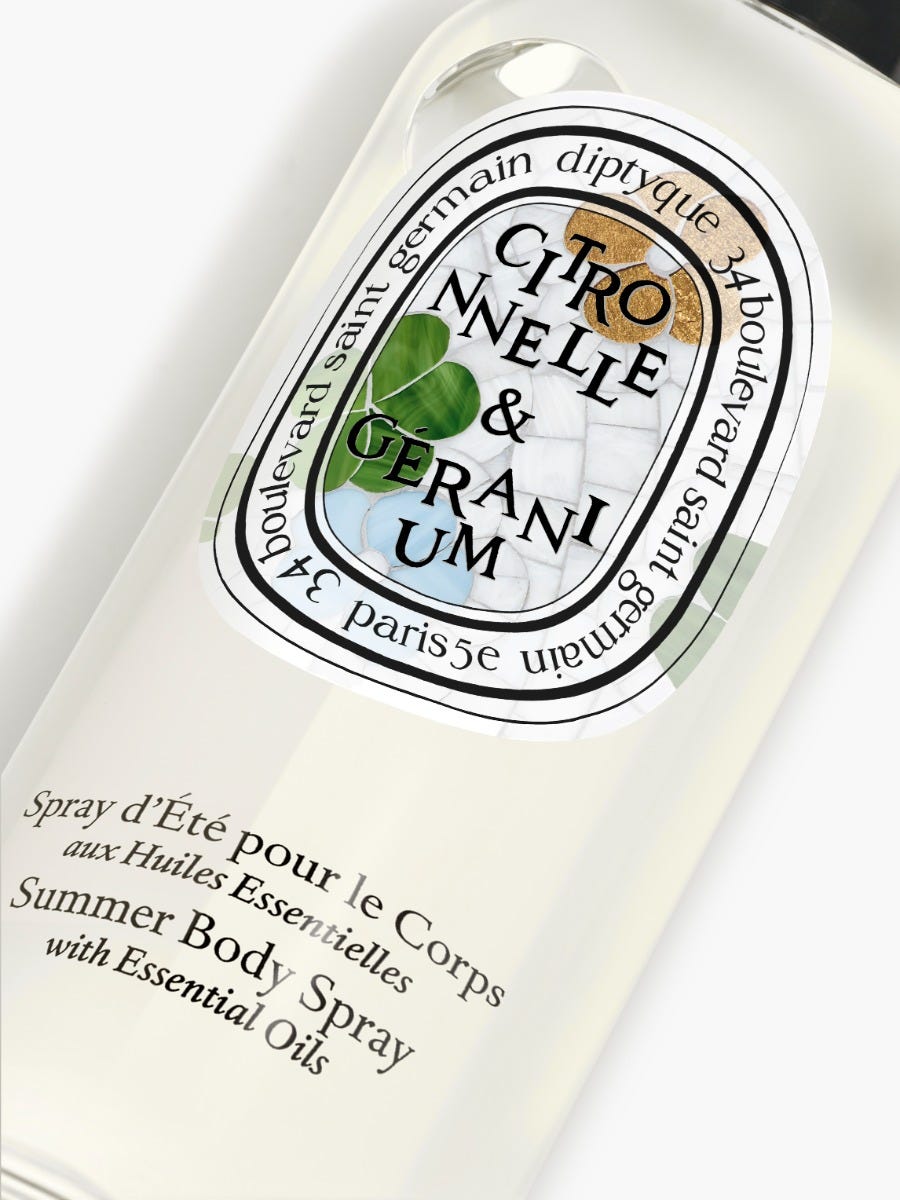
Diptyque Lemongrass & Geranium Summer Body Spray
Citronella oil · Geranium oil
Complete protection
Regulatory notes
EPA minimum risk (FIFRA 25(b)) approved active ingredient; matched to SRS registry entry.
Safety notes
A recognized skin and eye irritant and contact sensitizer even at low concentrations, and a serious poison for cats, which cannot metabolize phenols; see the pet-safety note below.