Primally Pure
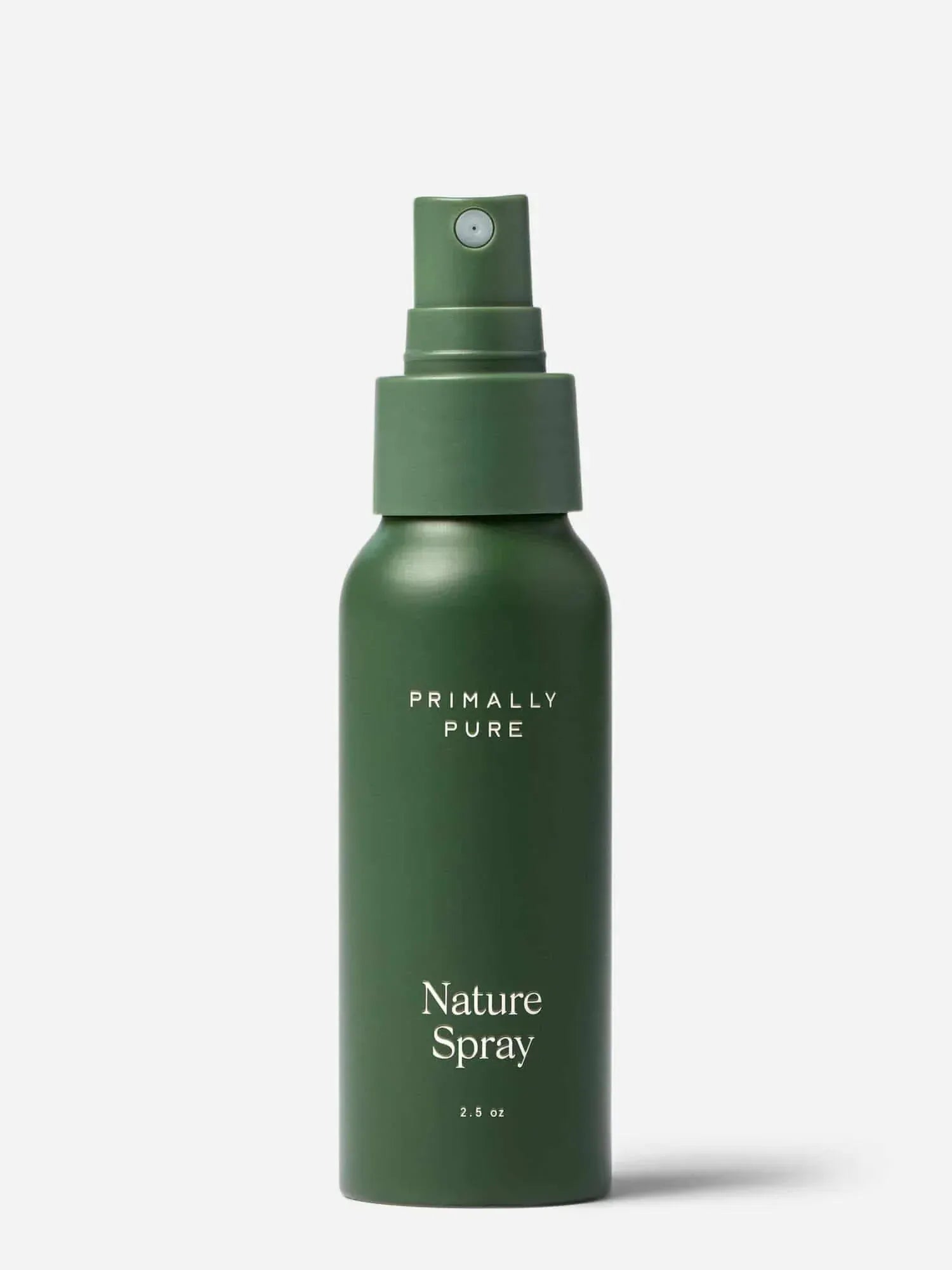
Primally Pure Nature Spray
Spray · FIFRA 25(b) minimum-risk
Retailer links may earn us a commission. Scores are never affected.
Pros
- A clean-smelling botanical blend from a brand built around simple ingredients.
Cons
- No concentrations disclosed and no proven protection.
- Lemongrass carries a high sensitization risk.
The full review
This wildcrafted essential-oil body spray is not recommended on two counts: the formula is not fully disclosed and there is no proven mosquito protection. Because the active concentrations are undisclosed, protection cannot even be modeled, and the effectiveness pillar sinks to the floor. Transparency collapses as well, since the product lists ingredients but quantifies none of them, and the evidence audit is brutal, with 2 weak and 1 unsupported claim driving a heavy penalty. Safety is led by high skin-sensitization risk from lemongrass oil plus citronella irritation and a pregnancy caution. The clean-smelling, plant-based positioning is the only real draw, and it cannot offset a hidden formula with no demonstrated efficacy.
Scorecard
Expand any pillar to see exactly why it scored what it did.
Effectiveness45%10Mosquitoes: protection cannot be modeled because the active concentration is undisclosed. Ticks: protection cannot be modeled because the active concentration is undisclosed. Protection times are modeled from the actives, concentration, and format (see methodology). Scored on a saturating curve (each added hour counts less than the last), 65% mosquito / 35% tick, with lower confidence.
Mosquitoes: protection cannot be modeled because the active concentration is undisclosed. Ticks: protection cannot be modeled because the active concentration is undisclosed. Protection times are modeled from the actives, concentration, and format (see methodology). Scored on a saturating curve (each added hour counts less than the last), 65% mosquito / 35% tick, with lower confidence.
Evidence & honest claims25%25Citronella oil is well-supported by published evidence, weighted by how close its concentration is to the studied effective dose (base 43). Of 4 marketing claims audited: 1 strong, 0 moderate, 2 weak, 1 unsupported (-18).
Citronella oil is well-supported by published evidence, weighted by how close its concentration is to the studied effective dose (base 43). Of 4 marketing claims audited: 1 strong, 0 moderate, 2 weak, 1 unsupported (-18).
Safety15%66From published dermal toxicology (EPA/CIR/IFRA), scaled by each active's concentration against its leave-on limit: high skin-sensitization risk from Lemongrass oil (−18); moderate irritation risk from Citronella oil (−6); caution advised in pregnancy (−6); moderate aquatic toxicity (−4).
From published dermal toxicology (EPA/CIR/IFRA), scaled by each active's concentration against its leave-on limit: high skin-sensitization risk from Lemongrass oil (−18); moderate irritation risk from Citronella oil (−6); caution advised in pregnancy (−6); moderate aquatic toxicity (−4).
Transparency15%20This product publishes an ingredient list (+20); discloses 0% of active concentrations (+0); discloses 0% of all ingredient concentrations (+0); inert ingredients are not fully accounted for (0).
This product publishes an ingredient list (+20); discloses 0% of active concentrations (+0); discloses 0% of all ingredient concentrations (+0); inert ingredients are not fully accounted for (0).
Every pillar is scored from published rules. Read how we score.
How long it protects
Complete protection ends when the first bite gets through; partial protection keeps reducing bites as repellency decays. EPA label times are verified; the rest are modeled from the actives, concentration, and format.
Mosquito estimate basis (low confidence)
No protection time estimated — this product's label doesn't disclose the active ingredient's concentration, and protection depends on both the ingredient and its strength.
Tick estimate basis (low confidence)
No protection time estimated — this product's label doesn't disclose the active ingredient's concentration, and protection depends on both the ingredient and its strength.
Ingredient disclosure
This product publishes an ingredient list (+20); discloses 0% of active concentrations (+0); discloses 0% of all ingredient concentrations (+0); inert ingredients are not fully accounted for (0).
Only active ingredients are disclosed. The full ingredient list (inerts/carriers) is not published, so this may not be the complete formula.
Active ingredient concentrations are not published for this product.
- Cedarwood oilActive
Active repellent · concentration not disclosed
- Citronella oilActive
Active repellent · concentration not disclosed
- Rosemary oilActive
Active repellent · concentration not disclosed
- Geranium oilActive
Active repellent · concentration not disclosed
- Lemongrass oilActive
Active repellent · concentration not disclosed
- Peppermint oilActive
Active repellent · concentration not disclosed
Claims audit
What the marketing says, versus what the evidence supports.
“Effective against ants, ticks and other insects”
EfficacyUnsupportedNo active in this formula has proven tick efficacy, and concentrations are undisclosed with no tick protection estimated.
“DEET-free”
Deet FreeStrongIngredient list contains no DEET.
“Made with organic ingredients that bugs can't stand; repels mosquitoes”
EfficacyWeakBrand marketing claim; no efficacy study cited.
“Reapply as needed”
DurationWeakNo specific protection duration stated on the label.
Safe around dogs & cats?
Worst case from this product’s active ingredients. Do not apply this or any human repellent to your pet.
Mainly from Cedarwood oil, Citronella oil, Geranium oil, and others.
Mainly from Cedarwood oil, Rosemary oil, Geranium oil, and others.
Not veterinary advice. Full guide to repellents around pets →