Eucalyptus oil
Oils, eucalyptus
Common eucalyptus oil (Eucalyptus globulus) is a 1,8-cineole oil, and it should not be confused with lemon eucalyptus oil, the source of the PMD repellent. As a mosquito repellent, plain eucalyptus oil has little evidence and short duration.
How it works
Its main constituent, 1,8-cineole (eucalyptol), can mask host odors for a short while. Any repellent effect is brief.
Safety around dogs & cats
The ASPCA lists eucalyptus as toxic to dogs and cats: its eucalyptol (1,8-cineole) causes drooling, vomiting, weakness, and central-nervous-system depression, and cats are especially sensitive. Never apply to a pet, and diffuse or wear it away from cats in particular.
High confidence. Ratings from ASPCA Animal Poison Control, the Pet Poison Helpline, and published veterinary toxicology. This is general information, not veterinary advice. If your pet is exposed, call your vet or the ASPCA Animal Poison Control Center at (888) 426-4435.
The evidence
There is little controlled skin-repellency data for common eucalyptus oil, and what exists points to short protection. The eucalyptus that carries real evidence is lemon eucalyptus (PMD), a different plant and compound.
- Toxicoses from essential oils in animalsReview
The Merck Veterinary Manual's reference on essential-oil poisoning in animals, explaining how pets are exposed (skin contact, grooming, inhalation) and why cats are the most vulnerable species.
Products using it
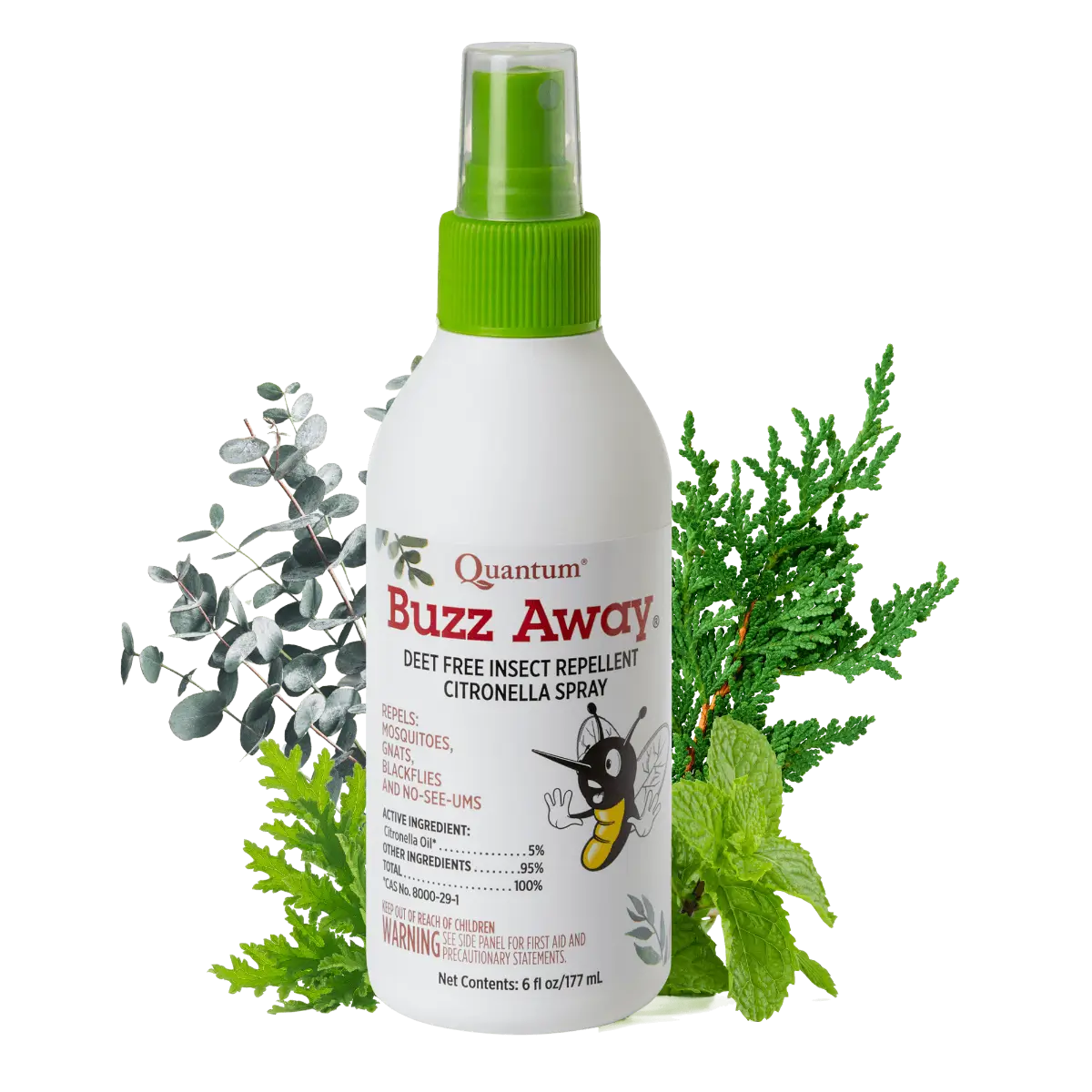
Quantum Health
Buzz Away Insect Repellent
Citronella oil 5%
Complete protection
Not recommended
Potentially not EPA compliant +1 more
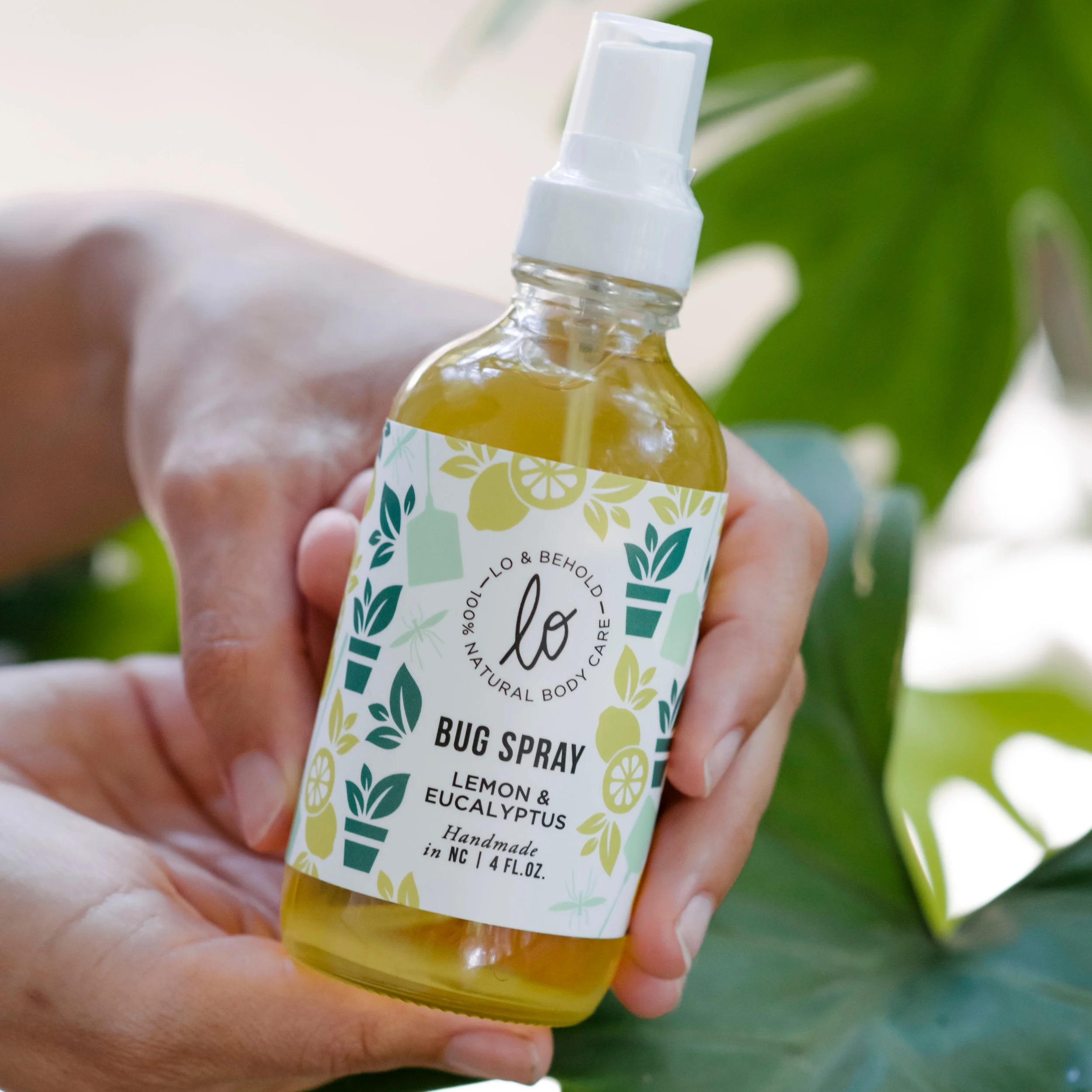
Lo & Behold Naturals
Lo & Behold Naturals Lemon & Eucalyptus Bug Spray
Citronella oil 0.53% · Rosemary oil 0.36%
Complete protection
Not recommended
Potentially not EPA compliant +1 more
Luna Naturals
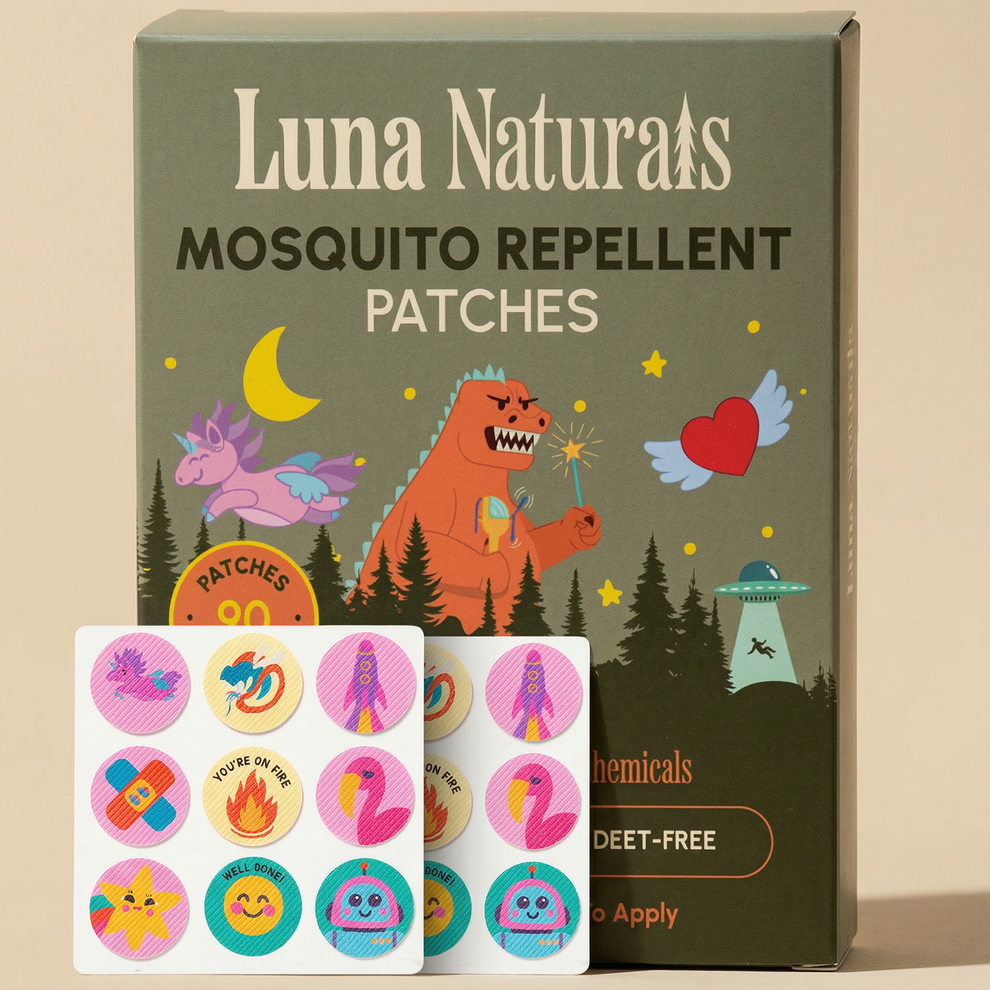
Luna Naturals Mosquito Repellent Patches for Kids (90 Patches)
Citronella oil · Eucalyptus oil
Not recommended
Potentially not EPA compliant +1 more
Luna Naturals
Luna Naturals Mosquito Repellent Patches (90 Patches)
Citronella oil · Eucalyptus oil
Regulatory notes
Source: EPA SRS active ingredient list export. Minimum risk (25(b)) status is applied separately when applicable.
Safety notes
1,8-cineole-rich eucalyptus oil can irritate skin and is toxic if swallowed, a particular concern around children. It is also hazardous to cats and dogs; see the pet-safety note below.