Cornmint oil
Oils, mint, Mentha arvensis piperascens
Cornmint oil (Mentha arvensis) is the most menthol-heavy of the mint oils, and distinct from peppermint. It brings a genuine cooling scent and some menthol-driven repellency, but only at concentrations well above the roughly 1% in the one product that carries it.
How it works
Menthol, about two-thirds of the oil, deters mosquitoes at short range and produces the cooling sensation on skin. Protection climbs steeply with concentration and is short at low doses.
Safety around dogs & cats
A high-menthol mint oil very similar to peppermint, so the same caution applies: drooling, stomach upset, and lethargy if ingested, with cats most at risk. Do not apply to pets and keep cats away from treated skin.
Moderate confidence. Ratings from ASPCA Animal Poison Control, the Pet Poison Helpline, and published veterinary toxicology. This is general information, not veterinary advice. If your pet is exposed, call your vet or the ASPCA Animal Poison Control Center at (888) 426-4435.
The evidence
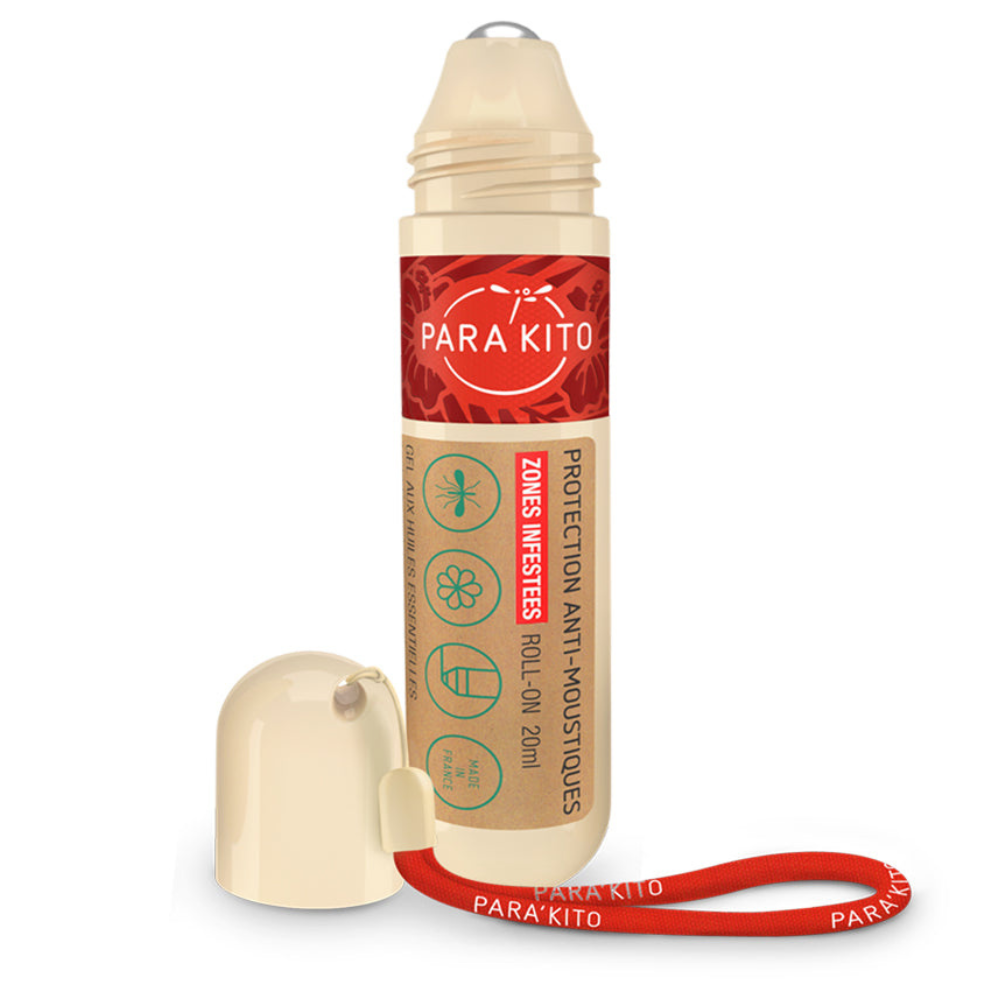
In arm-in-cage testing, cornmint oil protected against Aedes aegypti only at high strength, with meaningful complete-protection time appearing around 25% and up, while a controlled olfactometer study found no significant repellency for the oil overall. The Para'Kito roll-on uses about 1%, far below those levels, so treat it as a scented deterrent rather than measured protection.
Products using it
Regulatory notes
Source: EPA SRS active ingredient list export. Minimum risk (25(b)) status is applied separately when applicable.
Safety notes
Menthol-rich mint oil can irritate skin and mucous membranes at higher strengths and should stay off broken skin and away from the eyes and from infants. Cats clear menthol poorly, so keep the oil and treated skin away from them.