Citronellol
6-Octen-1-ol, 3,7-dimethyl-
Citronellol is one of the three active alcohols in citronella oil, alongside citronellal and geraniol, and it also occurs in rose and geranium. Like the citronella complex it comes from, its protection is real but very short.
How it works
Citronellol masks host odor at close range. On its own it shares citronella's core weakness: it evaporates quickly, so protection is measured in minutes to an hour or two rather than a full evening.
Safety around dogs & cats
A monoterpene alcohol from the citronella/geranium family that cats metabolize poorly. Do not apply it to cats and keep them from licking treated skin; dogs are more tolerant but it is still an irritant not intended for on-animal use.
Low confidence. Ratings from ASPCA Animal Poison Control, the Pet Poison Helpline, and published veterinary toxicology. This is general information, not veterinary advice. If your pet is exposed, call your vet or the ASPCA Animal Poison Control Center at (888) 426-4435.
The evidence
There is little standalone skin data for isolated citronellol; its evidence rides on the citronella family, where complete protection often lasts only tens of minutes unless a fixative like vanillin is added. It appears here as a minor co-active rather than a primary repellent.
Products using it
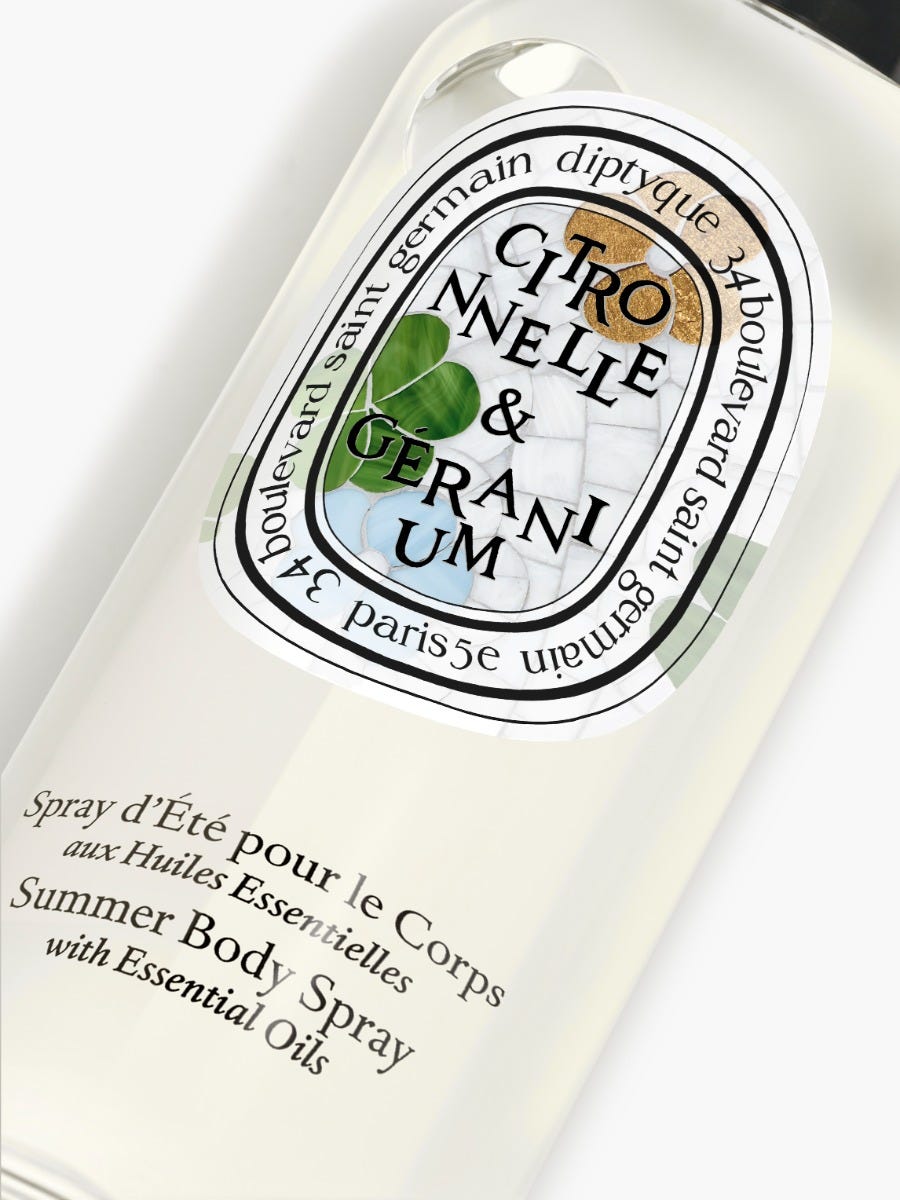
Regulatory notes
Source: EPA SRS active ingredient list export. Minimum risk (25(b)) status is applied separately when applicable.
Safety notes
A labeled fragrance allergen and mild irritant. As a citronella-family terpene alcohol it carries the usual cat caution; keep it off pets.